Reverse Migration Recruitment 2026: How Tech Firms Win Tier-2 Talent This Appraisal Season
Estimated reading time: ~11 minutes
Key Takeaways
- Reverse migration recruitment 2026 is surging as appraisal season triggers movement to tier-2 cities.
- Winning tier-2 talent requires a localized EVP, city-first narratives, and transparent cost-of-living data.
- Hyper-personalized video via regional language job marketing dramatically lifts engagement and conversions.
- A structured 6-week rollout aligns strategy, content, pilots, and national scale for measurable ROI.
The Indian talent landscape is undergoing a seismic shift as the April–May appraisal window approaches, making reverse migration recruitment 2026 the definitive strategy for forward-thinking HR leaders. As professionals receive their annual bonuses and performance reviews, a significant cohort is looking beyond the traditional tech corridors of Bengaluru and Gurgaon toward their hometowns. This trend is no longer a peripheral phenomenon but a central pillar of tier-2 city talent acquisition, driven by a desire for a balanced lifestyle and the maturation of regional infrastructure.
Recent data from the Taggd India Decoding Jobs 2026 report indicates that overall hiring intent in India has surged to 11%, a notable increase from previous years. For Global Capability Centers (GCCs) and domestic startups, this provides a unique window to capture "boomerang" talent—highly skilled professionals returning to their roots. To succeed, employers must pivot from generic outreach to highly regionalized, language-specific, and personalized recruitment marketing built on regional language video SEO that resonates with the specific aspirations of the returnee demographic.
1. The State of Reverse Migration Recruitment 2026
The definition of reverse migration recruitment 2026 has evolved into a sophisticated, data-driven discipline focused on acquiring tech and product talent moving from metros or overseas back to India’s tier-2 cities. This movement is facilitated by the rapid expansion of Grade-A office spaces in regional hubs and the widespread adoption of hybrid work models. According to CBRE India, the office sector is witnessing an unprecedented ascent in tier-2 cities, fueled by the demand for distributed teams and the need for cost-effective operational bases.
Macroeconomic drivers are accelerating this "reverse brain drain" at a pace unseen in previous decades. Uncertainty surrounding H-1B visas and the escalating cost of living in North America and Europe are prompting many Indian engineers to look homeward. As reported by the Times of India, the combination of high-growth domestic opportunities and family proximity is making the Indian tech ecosystem more attractive than ever. This is not merely a cost-saving exercise for talent; it is a strategic career move into emerging technology hubs that now offer the same technical depth as their tier-1 counterparts.
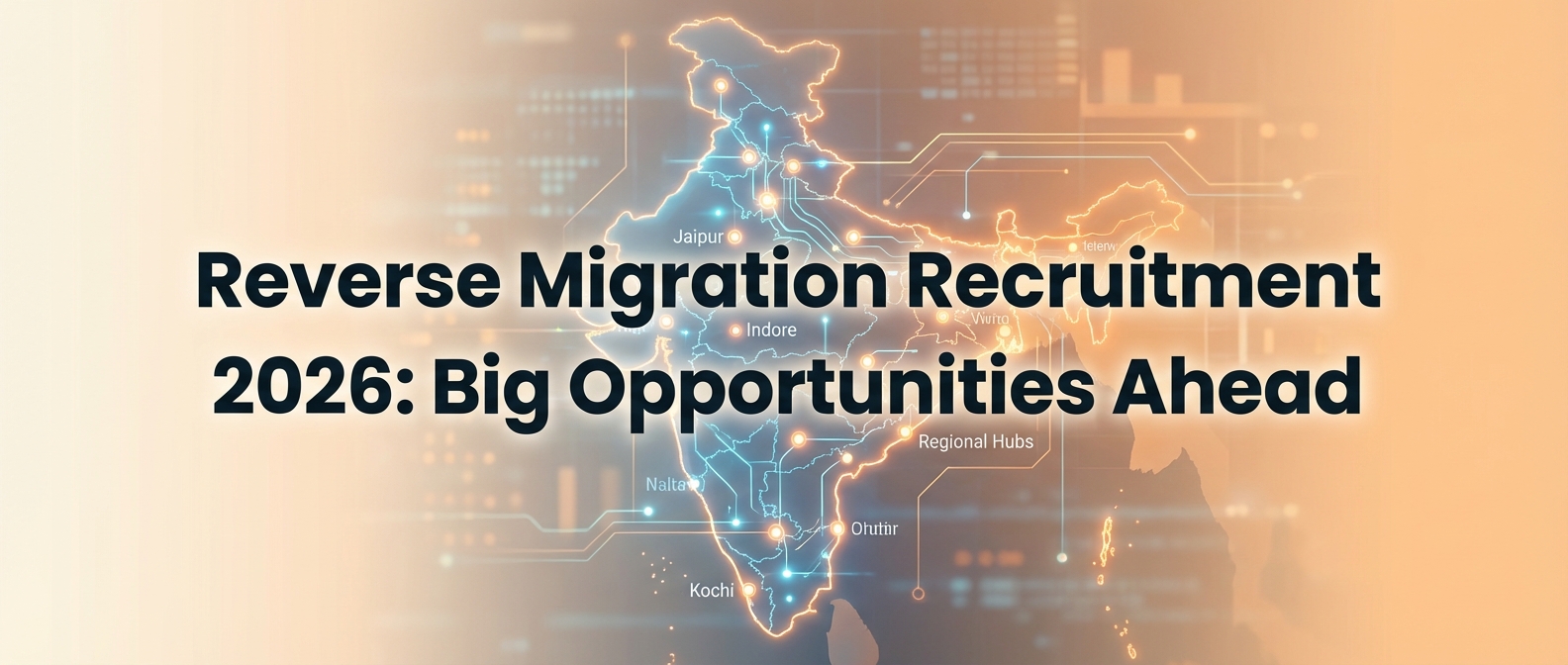
NASSCOM and Deloitte have identified 26 emerging technology hubs across India that are now ripe for large-scale regional tech hub recruitment. These cities, ranging from Jaipur to Kochi, are no longer just "backup" locations but are becoming primary centers for AI, Cloud, and Cybersecurity development. For recruiters, this means the competition for talent in these regions will intensify during the 2026 appraisal season, requiring a "small city, big opportunities" narrative that highlights both career growth and local impact.
2. Candidate Motivations: Hometown Career Opportunities and EVP
To win in the 2026 talent market, your Employer Value Proposition (EVP) must address the specific psychological and financial drivers of the returnee professional. The primary motivation is often family proximity career benefits, where candidates seek to balance high-impact work with the ability to support aging parents or raise children in a familiar community. Messaging that emphasizes "work-from-hometown" is no longer just about remote access; it is about the integration of professional excellence into a localized lifestyle.
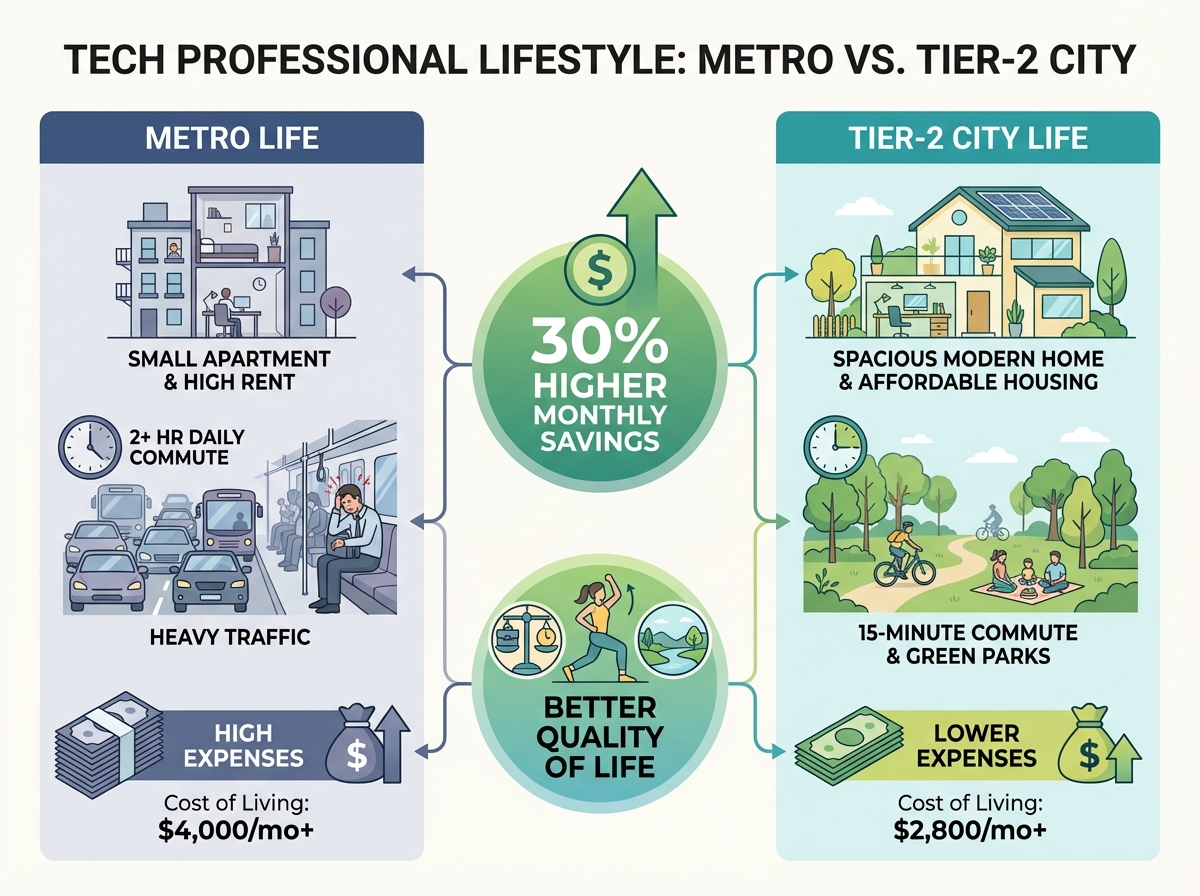
Quality of life is the second most critical factor, often showcased through quality of life career videos that contrast the grueling commutes of Bengaluru or Mumbai with the 15-minute drives typical in cities like Indore or Coimbatore. Candidates are increasingly prioritizing cleaner air, shorter travel times, and lower stress levels over the prestige of a metro-based office. IndiaTimes Pulse highlights that tech talent is choosing "family, freedom, and a better life" over higher overseas paychecks, a sentiment that recruiters must mirror in their outreach.
Financial transparency through cost of living comparison campaigns is a powerful tool for converting skeptical candidates. While metro salaries may appear higher on paper, the "real income" in a tier-2 city—after accounting for lower rent, school fees, and daily expenses—is often significantly superior. Recruiters should provide side-by-side data visualizations that show how a 20% lower nominal salary in a city like Chandigarh can result in 30% higher monthly savings compared to a high-cost metro.
3. Tier-2 Infrastructure Advantages and Regional Tech Hubs
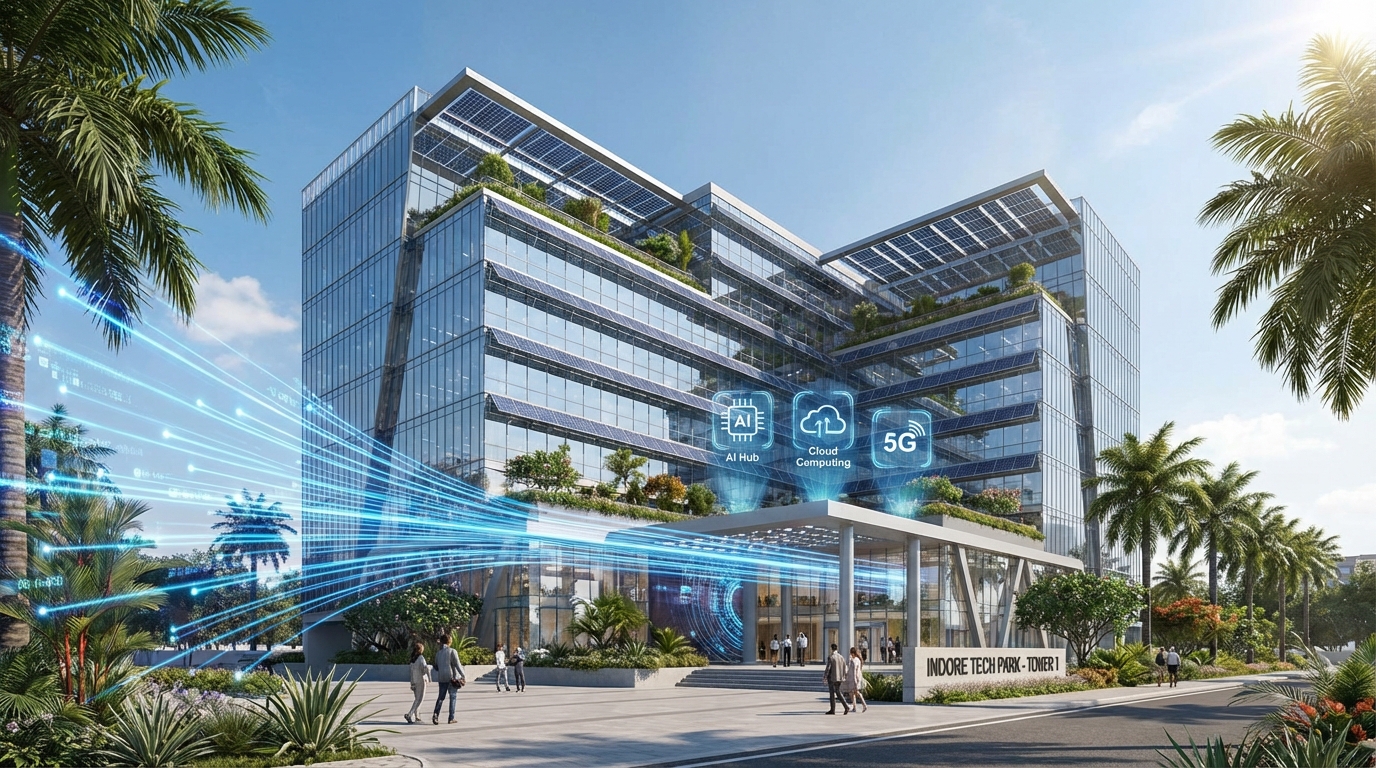
The success of reverse migration recruitment 2026 is underpinned by the massive infrastructure upgrades across India’s secondary cities. Tier-2 infrastructure advantages now include Grade-A office absorption pockets, high-speed fiber connectivity, and expanded air/rail links that make these cities viable for global operations. CBRE India notes that flex-office spaces are booming in these regions, providing the necessary "landing pads" for companies that want to establish satellite offices without long-term capital expenditure.
Specific hotspots for regional tech hub recruitment include Pune, Coimbatore, Kochi, Indore, Jaipur, and Vizag. These cities have developed robust local startup ecosystems, often supported by university labs and angel networks, which project a "small city, big opportunities" image. For a returnee, joining a firm in these cities doesn't mean stepping away from innovation; it means being at the forefront of a regional tech revolution.
Furthermore, companies are now offering hometown entrepreneurship support to attract high-level talent. This includes founder-in-residence tracks or internal venture funds that allow senior engineers to build new products while based in their native cities. By fostering a local startup ecosystem, employers can ensure that their tier-2 hubs remain intellectually stimulating and competitively vibrant, preventing the "skill stagnation" that candidates often fear when leaving metros.
4. April–May Campaign Blueprints for Tier-2 City Talent Acquisition
Executing a successful recruitment drive during the appraisal season requires a multi-pronged approach. Below are six blueprints to activate your tier-2 city talent acquisition strategy:
Blueprint A: Regional Language Job Marketing at Scale
Generic English job descriptions often fail to create an emotional connection. Implementing regional language job marketing involves creating 8–10 language variants (Hindi, Marathi, Tamil, Telugu, etc.) that speak directly to the candidate’s cultural identity. A video or message that starts with a greeting in the candidate's native tongue and mentions their specific hometown can increase engagement rates by over 300%.
Blueprint B: Quality of Life Career Videos
Produce 30–45 second vertical reels that contrast the pain points of metro living with the benefits of the target city. Show real footage of local parks, modern office interiors in tier-2 hubs, and testimonials from returnees who have already made the move. These videos should be distributed via Instagram Reels and LinkedIn to capture passive candidates during their downtime.
Blueprint C: Cost of Living Comparison Campaigns
Develop interactive "Metro vs. City X" dynamic cards. These should compare rent, commute times, and childcare costs. By embedding a calculator on your careers page, you allow candidates to see the tangible financial benefit of reverse migration, making the decision-making process data-driven rather than purely emotional.
Blueprint D: Returnee Professional Targeting
Utilize your ATS and CRM to build "boomerang" lists of former employees or candidates who previously declined offers due to location. Segment these lists by their native city and send personalized rejoin invites. Highlight new "boomerang bridges" such as fast-tracked interview loops and the recognition of prior tenure for vesting schedules.
Blueprint E: Work-from-Hometown Jobs Marketing
Clearly articulate your hybrid and remote policies. If you require two days a month in a metro office, explain the travel reimbursement and co-working pass benefits. Transparency in work-from-hometown jobs marketing reduces candidate anxiety about future policy reversals, which is a common deterrent for returnees.
Blueprint F: Local Startup Ecosystem Promotion
Host weekend hackathons or "Founder AMAs" in tier-2 cities. By showcasing your company’s involvement in the local tech community, you prove that your regional hub is a place of active innovation. This helps in reverse brain drain marketing by positioning your firm as a leader in the local ecosystem.
5. Hyper-Personalization: Regional Language Job Marketing with TrueFan AI
In the competitive landscape of 2026, generic outreach is the fastest way to be ignored. Platforms like TrueFan AI enable talent leaders to bridge the geographical and emotional gap between a global brand and a local candidate. By utilizing generative AI, companies can now create hyper-personalized recruitment videos where a CEO or a celebrity brand ambassador addresses a candidate by their name and native city, creating an immediate sense of belonging.
TrueFan AI's 175+ language support and Personalised Celebrity Videos allow for the mass localization of recruitment content without the need for multiple expensive shoots. For instance, a single 15-minute session with a brand ambassador can be transformed into thousands of unique videos in Marathi for Pune-based candidates, or in Malayalam for those looking to return to Kochi. This technology ensures perfect lip-sync and voice retention, making the interaction feel authentic and high-touch.
The integration of these videos into the recruitment funnel—via WhatsApp Business API video messaging or LinkedIn InMail—drives significantly higher conversion rates. When a candidate receives a video of a star like MS Dhoni or Kareena Kapoor Khan mentioning their specific career achievements and inviting them to join a "hometown hub," the psychological impact is profound. This level of regional language job marketing is what separates elite employers from the rest of the market during the high-churn appraisal season.
Case Study Insight:
TrueFan AI has demonstrated the power of this technology through massive consumer campaigns. For Zomato, the platform generated 354,000 unique personalized videos in a single day, while for Hero MotoCorp, it delivered 2.4 million personalized greetings. Applying this same scale to recruitment allows enterprises to reach every potential returnee in their database with a message that feels tailor-made for them.
6. Measurement, ROI, and the 6-Week Implementation Timeline
To justify the investment in reverse migration recruitment 2026, HR leaders must track specific funnel metrics. These include Video Click-Through Rate (CTR), application start rates, and the "time-to-fill" for tier-2 roles versus metro roles. Solutions like TrueFan AI demonstrate ROI through significantly higher engagement metrics; for example, travel brands have seen a 17% increase in message read rates when using personalized video nudges.
The 6-Week Implementation Timeline:
- Week 1: Strategy & Data: Shortlist target cities based on talent supply heatmaps. Collect local data on rent and commute ranges for your EVP.
- Week 2: Content Creation: Script your city-specific messages. Set up TrueFan AI templates and integrate them with your ATS/CRM via API.
- Week 3: Pilot Launch: Launch a pilot in 2–3 key cities (e.g., Indore and Kochi). A/B test different EVP variants to see which resonates more.
- Week 4: Multi-Channel Expansion: Scale the campaign to 6–8 cities. Activate LinkedIn InMail and WhatsApp Business Commerce Automation 2026 drips with personalized video content.
- Week 5: Optimization: Analyze the data from the pilot. Add "boomerang" talent streams and host a virtual city-specific AMA with your engineering directors.
- Week 6: National Scaling: Finalize the rollout across all target regions. Prepare ongoing drips for the post-appraisal churn period to capture late-movers.
By following this structured approach, companies can move from a reactive hiring stance to a proactive, regionalized talent acquisition powerhouse. The goal is to turn "small city, big opportunities" from a slogan into a measurable recruitment reality.
Conclusion
The window for reverse migration recruitment 2026 is opening. By combining tier-2 city talent acquisition tactics with hyper-personalized, regionalized messaging, tech firms can secure the high-quality talent they need to drive innovation in the coming year. Don't let the appraisal season pass without a dedicated strategy for the "boomerang" professional.
Ready to revolutionize your recruitment? Launch a 2-week city-personalization pilot with TrueFan AI today and see how hyper-personalized video can transform your hiring ROI.
Frequently Asked Questions
Is April–May really the best time to target returnees?
Yes. This period coincides with the annual appraisal cycle in India, which is the peak window for job switching. With hiring intent at 11% in 2026, candidates are actively looking for roles that offer a better quality of life alongside their new compensation packages.
How do we run multilingual recruitment marketing without blowing timelines?
By using AI-driven platforms like TrueFan AI, you can generate videos in 175+ languages in under 30 seconds per video. This eliminates the need for manual dubbing or multiple shoots, allowing you to launch a national, multilingual campaign in days rather than months.
Which roles are best-suited for tier-2 expansion?
Data from NASSCOM and Deloitte suggests that SDE/Backend, Data/ML, DevOps, and Product Management roles are highly viable for tier-2 hubs. These cities now have the technical depth to support complex product pods and GCC micro-hubs.
How do we credibly compare the cost of living?
Use a data-backed calculator that includes rent, utilities, transport, and childcare. Cite local sources for these ranges and provide a "net savings" figure rather than just comparing gross salaries. This transparency builds trust with returnee professionals.
What is the most effective channel for reaching returnees?
WhatsApp-based personalized video messaging remains the most effective channel for the Indian market, especially when paired with personalized video content. It offers higher read rates and a more personal connection than traditional email or LinkedIn outreach.