Employee wellness video campaigns Q4 2025: Personalized, automated support to reduce stress and burnout
Key Takeaways
- Q4 is a peak period for stress and presenteeism; personalized, video-first campaigns cut through noise and drive care utilization.
- Build a Resilience Library spanning stress management, mindfulness, work-life coaching, and rapid techniques to meet diverse needs.
- EAP explainers and automated enrollment reduce friction with SSO CTAs and multilingual trust-building content.
- Design campaigns with DPDP-aligned privacy, consent-first personalization, and cohort-level analytics.
- Follow a 12-week roadmap from pilot to rollout to operationalize wellness as a core business KPI into 2026.
As the final quarter of 2025 approaches, Indian enterprises are navigating a complex intersection of high-stakes performance targets, year-end audits, and the inevitable “festive fatigue.” For HR leaders, the challenge is no longer just about offering benefits; it is about ensuring those benefits are utilized by an increasingly exhausted workforce. Launching employee wellness video campaigns Q4 2025 is the strategic imperative for organizations aiming to mitigate the rising tide of workplace stress and presenteeism that traditionally peaks during this period.
The stakes for Indian corporations have never been higher. Recent data suggests that workplace stress in India continues to escalate, with burnout rates projected to impact nearly 48% of the corporate workforce by the end of 2025. This crisis necessitates a shift from generic wellness emails to a high-fidelity, video-first approach that prioritizes mental health support personalization and mental health awareness personalization. By leveraging automated, data-driven video journeys, People Ops teams can deliver timely nudges that reduce the friction between an employee feeling overwhelmed and actually accessing care.
1. The Strategic Shift to Mental Health Support Personalization
In the current enterprise landscape, “one-size-fits-all” wellness programs have become obsolete. The modern Indian employee—spanning Gen Z digital natives to senior leadership—demands relevance and psychological safety. This is where mental health support personalization becomes a critical differentiator. It involves tailoring content themes, tone, and delivery channels to an individual’s specific role, regional language, and current stress signals.
Platforms like TrueFan AI enable HR departments to bridge the gap between awareness and action by delivering hyper-relevant content directly to an employee's preferred device. When a sales professional in Bengaluru receives a personalized video addressing “quarter-end closing stress” in their preferred language, the impact is significantly higher than a generic company-wide newsletter. This level of mental health awareness personalization reduces the stigma associated with help-seeking by framing support as a customized tool for professional and personal success. To execute video at scale, HR teams can leverage enterprise-grade personalization frameworks proven in other functions.
Research indicates that employee well-being remains a central focus for HR in 2025, as stressors persist across both work and home environments. By adopting a video-first strategy, organizations can demystify complex benefits like Employee Assistance Programs (EAPs) and improve enrollment journeys through short-form, mobile-optimized content. This approach transforms wellness from a passive benefit into an active, engaging experience that fosters a genuine sense of belonging.
Source: Breaking the Silence: Tackling Workplace Stress in India
Source: HR Trends 2025: Shaping the Future of Work
Source: TrueFan AI: Mental Health Support Personalization
2. The Resilience Library: Mapping Video Content to Q4 Needs
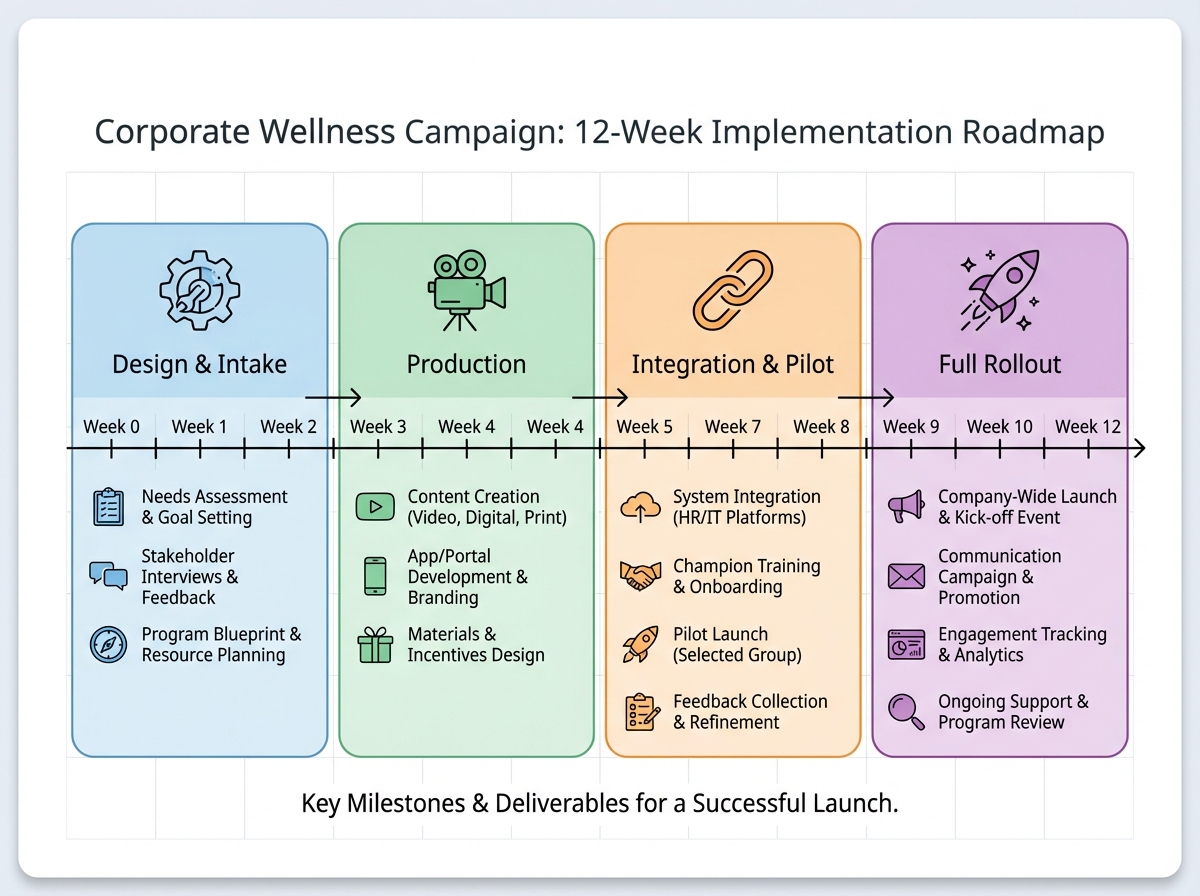
A successful Q4 campaign requires a diverse library of content that addresses the specific stressors of the season. This library should be categorized into actionable pillars, ensuring that every video serves a distinct purpose in the employee's wellness journey.
Workplace Stress Management Videos
These should be 2–3 minute microlearnings focusing on immediate, actionable techniques. Content should cover timeboxing for year-end reports, prioritization matrices for overlapping deadlines, and “close-the-day” rituals to prevent work from bleeding into personal time. For managers, specific versions should include scripts for workload negotiation and guidelines on how to escalate stress concerns without compromising employee privacy. For teams navigating performance cycles, pairing these with appraisal-season guidance can help reduce anxiety.
Meditation Mindfulness Video Series
To combat the high-frequency stress of Q4, a meditation mindfulness video series is essential. These should include daily 3–5 minute sessions: an AM energizer to set intentions, a midday reset to clear cognitive clutter, and a PM wind-down to facilitate better sleep. Crucially, these must be culturally localized. Offering these sessions in Hindi, Tamil, Bengali, or Marathi ensures that the practices resonate deeply with a diverse workforce; see the voice sync accuracy comparison guide for multilingual delivery best practices.
Work-Life Balance Coaching Videos
As the “right to disconnect” becomes a prominent topic in Indian labor discussions, work-life balance coaching videos provide the necessary framework for setting boundaries. These videos should offer role-specific coaching—addressing the unique challenges of frontline workers versus hybrid teams. By providing templates for “out-of-office” boundaries and caregiver accommodation tips, HR can actively support a culture of respect and sustainability.
Stress Reduction Technique Videos
Beyond mindfulness, employees need physiological tools to manage acute stress. Stress reduction technique videos focusing on box breathing (4-4-4-4), progressive muscle relaxation, and sleep hygiene micro-habits are highly effective. These should be paired with digital “quick cards” that employees can save to their phones for instant access during high-pressure moments.
Source: India Workplace Wellbeing Report 2025
Source: The Future of Work: Why Emotional Well-being Matters
3. Demystifying Care: EAP and Resource Video Automation
One of the greatest hurdles in employee wellness is the low utilization of existing resources. Many employees are either unaware of the full scope of their EAP or harbor concerns regarding confidentiality. Employee assistance program videos and employee support resource videos are the primary tools for dismantling these barriers.
TrueFan AI's 175+ language support and Personalised Celebrity Videos provide the cultural resonance necessary to engage a diverse Indian workforce across Tier 1 and Tier 2 cities. By using recognizable voices or localized avatars to explain that EAP services are 100% confidential and free of charge, organizations can see a dramatic uptick in help-seeking behavior. These videos should walk the employee through the booking flow, showing exactly what happens after they click “Request a Session.” Ensuring linguistic accuracy for vernacular delivery further boosts trust.
Furthermore, wellness program enrollment automation ensures that the transition from watching a video to receiving support is seamless. Integrating Single Sign-On (SSO) deep-links within the video CTA allows employees to book appointments or access mental health toolkits without navigating complex HR portals. In 2026, it is projected that 70% of employees will prefer video-based explainers over traditional benefit handbooks, making this automation a prerequisite for high-performing HR teams.
The Indian context is particularly relevant here, as leading employers are now extending EAP access to dependents and incorporating outpatient mental health benefits into their standard packages. Highlighting these family-inclusive features through personalized video can significantly enhance the perceived value of the employer brand.
Source: Rethinking Employee Benefits: Holistic Well-being
Source: IT Union Flags Onboarding Delays: The Role of EAP
Source: TrueFan AI: Batch Video Creation Automation
4. Campaign Architecture: Burnout Prevention and Holistic Engagement
To sustain engagement throughout the Q4 crunch and into the New Year, HR must deploy a multi-layered campaign architecture. This involves moving beyond reactive support to proactive, holistic health engagement campaigns that address the root causes of burnout.
Burnout Prevention Campaigns
Burnout is defined as a state of emotional exhaustion, depersonalization, and reduced professional efficacy. Burnout prevention campaigns should focus on identifying early warning signs—such as increased irritability, withdrawal, or a drop in work quality. Managers should be equipped with “How to Spot and Support” video briefings, while employees receive self-check-in prompts. These nudges encourage a culture where taking a “mental health day” is seen as a proactive recovery step rather than a sign of weakness. For teams in appraisal windows, align with review-season engagement guidance to mitigate churn risk.
Holistic Health Engagement Campaigns
Stress does not exist in a vacuum. It is intrinsically linked to physical health, nutrition, and financial stability. By 2026, the rise of hypertension in the Indian workforce is expected to be a major corporate concern, often linked to chronic stress. Holistic health engagement campaigns should integrate movement challenges, budget-friendly nutrition tips, and sleep hygiene education. Connecting these videos to in-network fitness partners or financial wellness advisors creates a comprehensive support ecosystem.
Wellness Challenge Gamification Videos
To drive participation, incorporate wellness challenge gamification videos. These should invite employees to join low-pressure, inclusive team challenges, such as a “7-day micro-recovery challenge” or “10k mindful steps.” Gamification, when done correctly, fosters social connection and healthy competition. Rewards should focus on recognition, such as “Healthy & Present” digital badges or entries into a wellness day lottery, ensuring that the focus remains on well-being rather than high-performance metrics.
Source: The Silent Rise of Hypertension in India's Workforce
Source: Why 'Healthy and Present' is the New KPI
5. Data Privacy and Personalization Logic in the DPDP Era
The power of personalized wellness journey automation lies in its ability to use data to provide the right support at the right time. However, in the context of India's Digital Personal Data Protection (DPDP) Act, privacy and security are paramount. HR leaders must ensure that their wellness platforms adhere to strict data minimization and consent-first principles.
Personalization logic should be based on non-intrusive signals, such as:
- Role and Region: Tailoring language and clinic resources.
- Workload Spikes: Triggering stress-management content during known project peaks.
- Self-Reported Data: Using pulse check responses to suggest specific EAP resources.
- PTO Usage: Nudging employees who haven't taken leave in over 60 days to schedule a “reset” day.
Solutions like TrueFan AI demonstrate ROI through increased engagement while maintaining enterprise-grade security standards. By measuring engagement at the cohort level rather than tracking individual health outcomes, organizations can provide a personalized experience without compromising psychological safety. All data used for triggers must be policy-aligned, ensuring that “after-hours email patterns” are analyzed in aggregate to identify team-wide burnout risks rather than individual surveillance.
Transparency is the foundation of trust. Every video campaign should include a clear purpose notice and an easy opt-out mechanism. As we move into 2026, the ability to demonstrate SOC 2 and ISO 27001 compliance in wellness tech will be a non-negotiable requirement for Indian enterprises.
Source: TrueFan AI: Video Personalization ROI Metrics
Source: TrueFan AI: Enterprise Video Security Standards
6. Implementation Roadmap: From Pilot to 2026 Outlook
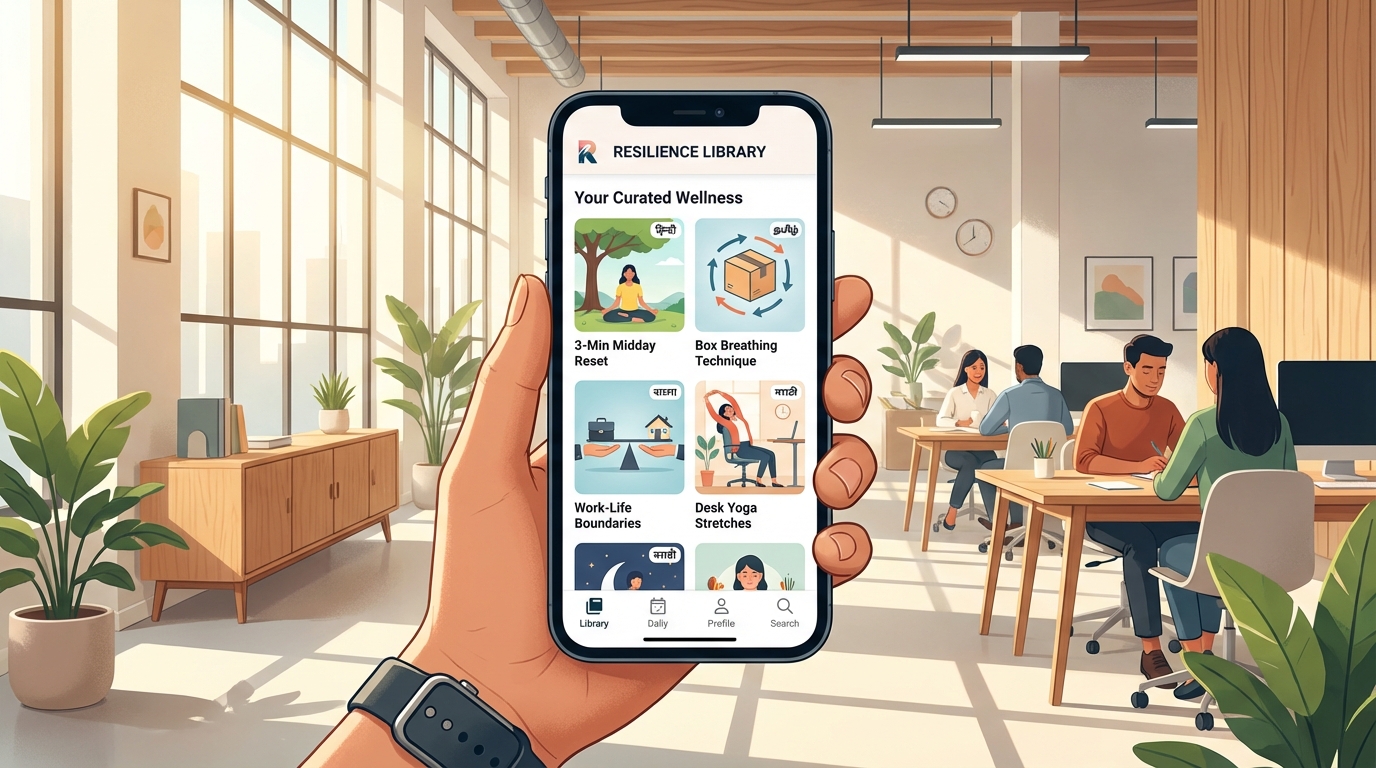
Launching employee wellness video campaigns Q4 2025 requires a structured approach to ensure maximum impact and scalability. The following 12-week roadmap provides a blueprint for HR leaders:
- Weeks 0–2: Intake and Design: Define specific goals (e.g., a 30% increase in EAP bookings) and identify content gaps. Finalize the language priorities for your regional offices.
- Weeks 3–4: Production and Template Setup: Record base footage featuring company leaders or wellness experts. Configure dynamic fields such as employee name, role, and localized resource links.
- Weeks 5–6: Integration and QA: Map triggers to your HRIS (e.g., Workday, Darwinbox). Ensure that the WhatsApp Business and email delivery channels are fully integrated with SSO for seamless enrollment.
- Weeks 7–8: Pilot and Iterate: Launch to a specific business unit, such as Sales or Customer Support, to gather qualitative feedback and refine the messaging cadence.
- Weeks 9–12: Full Rollout: Deploy the Q4 resilience calendar, moving from stress management in October to burnout prevention in December and holistic habits in January.
Looking ahead to 2026, the trend is clear: well-being is no longer a “perk” but a core business KPI. Indian HR leaders are increasingly embedding “healthy and present” metrics into their performance management systems. By automating the wellness journey, organizations can move from reactive crisis management to a sustainable culture of care that attracts and retains top talent in a competitive market. To equip managers for peak months, combine this rollout with targeted review-season enablement for consistency and psychological safety.
Source: Money, Meaning, and Mental Health: What Gen Z Wants in 2025
Source: How Happy is India@Work? Measuring What Matters
Ready to transform your workforce resilience?
Book an enterprise demo to launch employee wellness video campaigns Q4 2025 with TrueFan AI today.
Frequently Asked Questions
How do personalized video campaigns improve EAP utilization compared to email?
Personalized videos cut through the digital noise of Q4 by providing a human-centric, engaging medium. While emails are often ignored or archived, video content—especially when it addresses the employee by name and in their native language—sees 3x higher completion rates. By demystifying the process through visual walkthroughs, you reduce the cognitive load required to seek help.
Is it possible to launch these campaigns in multiple Indian regional languages?
Yes. Modern platforms allow for hyper-personalized video at scale in over 175 languages. This includes perfect lip-sync and voice retention, ensuring that a message from the CHRO feels personal and authentic to an employee in Chennai, Kolkata, or Mumbai alike. See the voice sync accuracy comparison guide for details.
How does TrueFan AI ensure data privacy for sensitive mental health content?
TrueFan AI operates on a consent-first model, adhering to ISO 27001 and SOC 2 standards. The platform uses data minimization techniques, ensuring that only the necessary variables (like name or region) are processed to generate the video. Furthermore, engagement is tracked at the cohort level to protect individual employee privacy; learn more in our governance and compliance overview.
Can we automate the enrollment process directly from the video?
Absolutely. Wellness program enrollment automation is a core feature of advanced video campaigns. By embedding SSO-enabled CTAs within the video, employees can book a counseling session or sign up for a wellness challenge with a single click, removing the need to log into separate benefits portals. Explore personalised video at scale.
What are the key ROI metrics for a Q4 wellness video campaign?
The primary metrics include video completion rates, CTA click-through rates for EAP bookings, and enrollment numbers for wellness challenges. Long-term ROI is demonstrated through reduced absenteeism, lower attrition rates, and the cost avoidance associated with preventing severe burnout and related healthcare claims.