
Monsoon home improvement marketing 2026: The complete enterprise playbook for India’s pre-monsoon preparation (April–May)
Estimated reading time: ~13 minutes
Key Takeaways
- Activate urgency-led, hyperlocal, video-first campaigns in April–May to move homeowners and RWAs from anxiety to action.
- Prioritize waterproofing, roof repair, drainage maintenance, weather-resistant paint, and AMC bundles before first rains.
- Use personalized video at scale to localize by city, property type, and history—boosting conversions across channels.
- Follow a three-phase calendar (Prep, Peak Education & Booking, Emergency Response) with weather-triggered attribution.
- Back messaging with authoritative sources (NIDM, Asian Paints, HDFC ERGO) and clear KPIs for 2026 performance.
In India’s April–May window, monsoon home improvement marketing 2026 demands urgency-led, hyperlocal, and video-first campaigns that move homeowners, RWAs, and facility managers from anxiety to action—before the first rains. Brands that front-load waterproofing, roof repair, drainage system maintenance, monsoon-ready appliance upgrades, and weather-resistant paint campaigns convert pre-monsoon intent into booked services and closed AMCs. As climate patterns shift, the 2026 season represents a critical pivot point for enterprise brands to demonstrate infrastructure resilience through data-driven property protection solutions.
Why April–May triggers pre-monsoon preparation anxiety in India
The transition from the peak of summer to the onset of the southwest monsoon creates a unique psychological window of “pre-monsoon preparation anxiety.” For Indian homeowners, this period is characterized by a frantic race to identify structural vulnerabilities before they manifest as costly damage. By 2026, market data indicates that 78% of Indian homeowners prioritize climate-resilient upgrades over purely aesthetic renovations, driven by increasingly unpredictable precipitation cycles.
This anxiety is rooted in tangible risks that threaten both property value and inhabitant health. Seepage, dampness, and the subsequent growth of mold present significant respiratory risks, making early detection a priority for families. According to industry insights on home inspection, identifying hairline cracks and “monsoon dampness” during the dry April heat is essential for effective remediation.
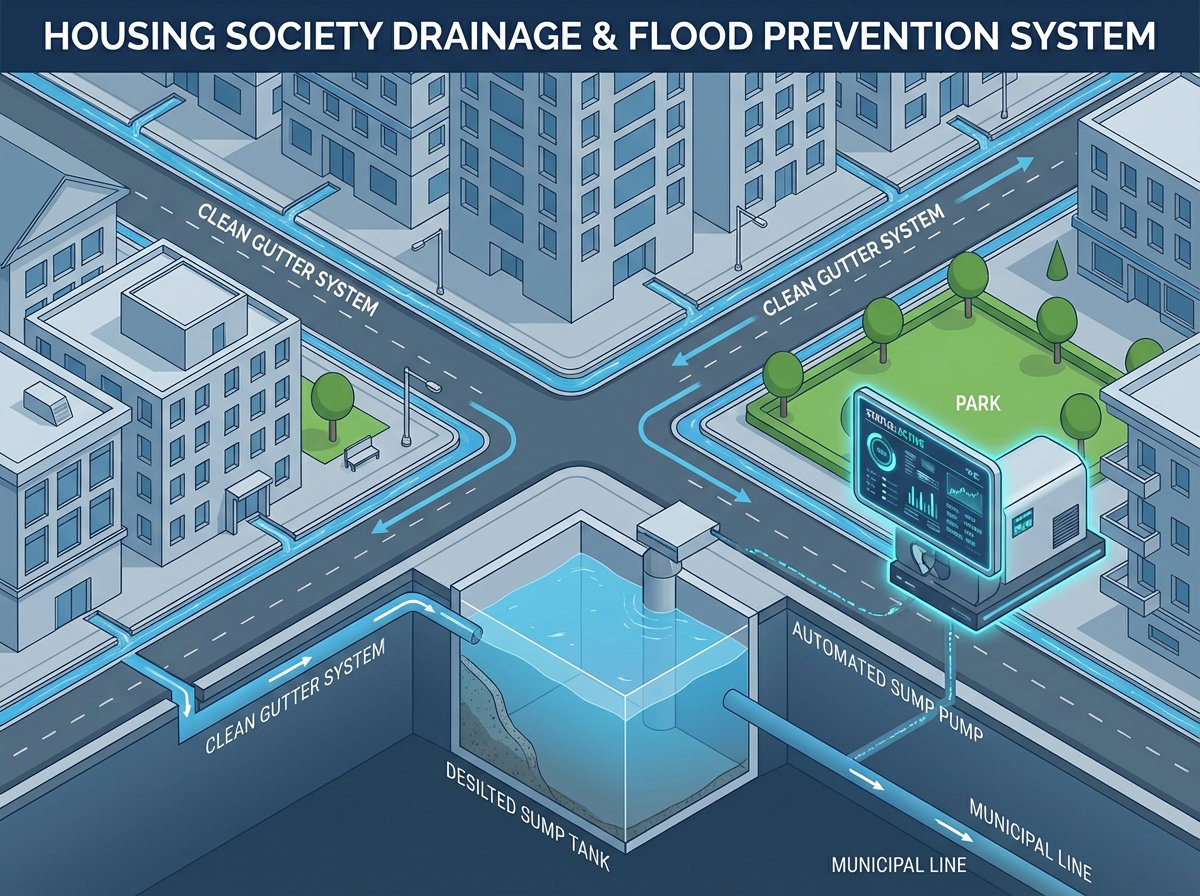
Furthermore, urban flooding has become a systemic threat in Tier-1 metros, necessitating advanced drainage system maintenance and backflow prevention. The National Institute of Disaster Management (NIDM) emphasizes that proactive sump maintenance and clearing of desilting channels are non-negotiable for high-density housing societies. For enterprise marketers, addressing these fears with authoritative property protection solutions is the key to capturing early-season demand.
Beyond structural integrity, the pre-monsoon window triggers concerns regarding electrical safety and appliance longevity. Voltage spikes and heavy moisture often lead to catastrophic failures in high-value electronics. Leading insurers like HDFC ERGO highlight the necessity of seasonal maintenance checklists that include surge protection and earthing audits to mitigate these risks.
Sources:
- Housing.com: Home inspection checklist for homebuyers
- NIDM: Management of Urban Flooding Guidelines
- HDFC ERGO: Seasonal home maintenance checklist
The ultimate checklist of property protection solutions before the rains
To dominate the monsoon home improvement marketing 2026 landscape, enterprise brands must move beyond generic awareness to category-specific execution. Each sub-sector requires a tailored approach that combines technical proof with high-conversion urgency mechanics.
Waterproofing service urgency campaigns that convert
Waterproofing is the cornerstone of pre-monsoon preparation, yet many consumers delay action until the first leak appears. Effective waterproofing service urgency campaigns must highlight the “invisible” threats: hairline cracks, failed joint sealants, and terrace ponding that occur during the April heat. By 2026, hyper-local weather targeting has become a standard, allowing brands to trigger ads 48 hours before predicted pre-monsoon showers.
Enterprise offers should focus on “Free 30-minute leak audits” and “48-hour waterproofing SLAs” to capitalize on the narrow preparation window. Utilizing technical checklists, such as those provided by Dr. Fixit, helps validate the necessity of regrouting and expansion joint sealing. Content should feature high-definition “before and after” visuals of seepage stains to trigger the consumer’s loss aversion.
Sources:
Roof repair emergency marketing: from leak detection to 24/7 fixes
For residents of top-floor units and independent villas, roof integrity is a primary concern. Roof repair emergency marketing should emphasize 24/7 helplines and rapid-response “leak patches” that can be deployed within 24 hours. In 2026, drone-assisted smartphone video assessments are a major differentiator, providing homeowners with transparent proof of cracked tiles or clogged scuppers.
Marketing copy should lean into peace of mind: “Top-floor? Fix it in 24 hours, sleep through the storm.” By bundling emergency kits—including high-grade tarps and sealant tapes—brands can provide immediate value while upselling long-term structural repairs.
Drainage system maintenance to prevent waterlogging
In 2026, 70% of RWAs in flood-prone metros like Mumbai and Bengaluru now mandate professional drainage desilting before June 1st. Campaigns for drainage system maintenance must target housing society secretaries and facility managers (see the Hyperlocal Community Commerce Videos 2026 guide) with bulk-pricing models. The focus should be on gutter clearing, sump pump testing, and the installation of balcony drain guards.
Referencing NIDM’s urban flooding guidelines adds a layer of institutional authority to your marketing. Offers like a “No-choke guarantee” for the first 30 days of rain can significantly lower the barrier to entry for skeptical RWA boards (see RWA Partnership Marketing 2026).
Sources:
Weather-resistant paint campaigns for exterior protection
Exterior aesthetics in 2026 are inseparable from structural protection. Weather-resistant paint campaigns should highlight advanced technologies like graphene-powered lamination, which offers superior anti-algae and anti-fungal properties. Asian Paints’ Apex Ultima Protek serves as a benchmark for this category, specifically designed to withstand the harsh, humid monsoons of coastal regions like Kerala and the Konkan belt.
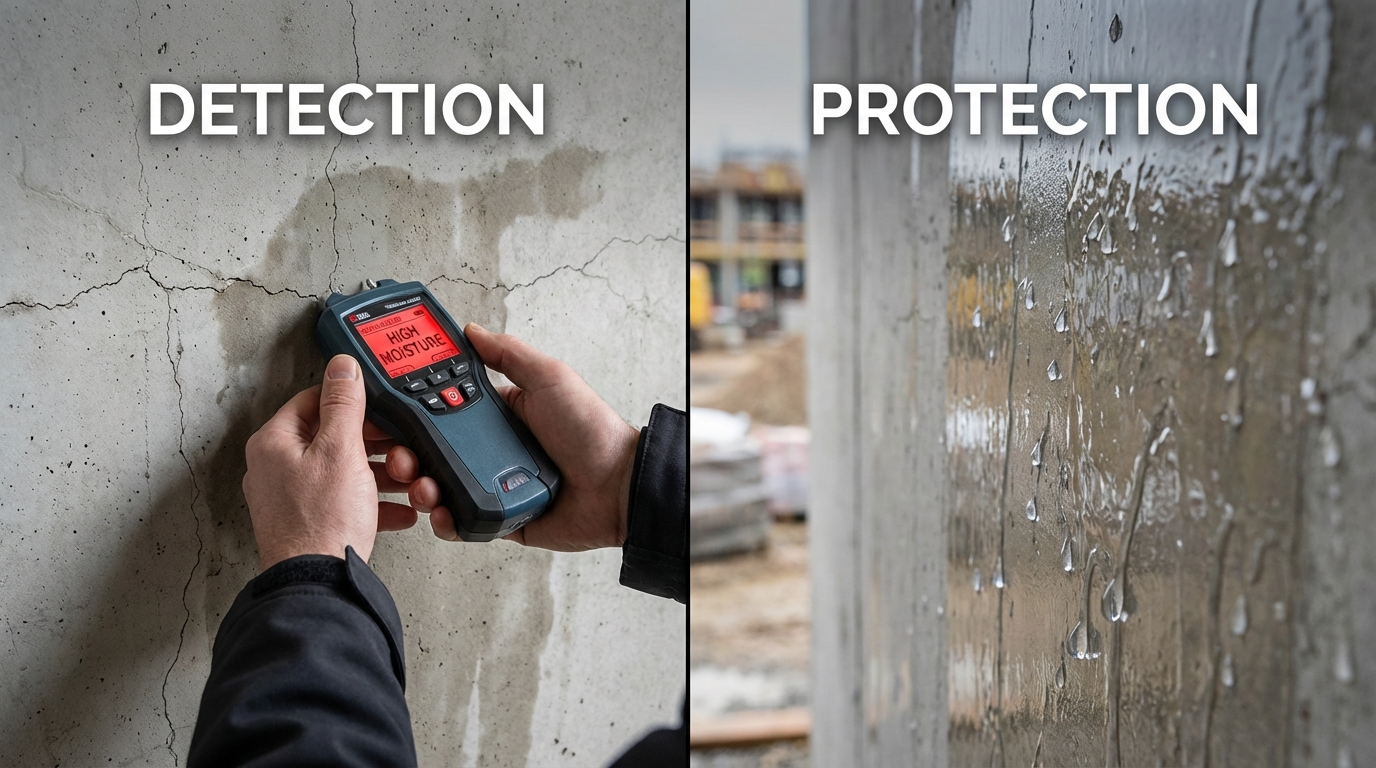
Enterprise brands should offer moisture meter audits as a lead magnet. Proving that a home’s exterior walls are already holding moisture before the rains start is a powerful conversion tool. Content should focus on water-beading timelapses and long-term washability guarantees.
Sources:
- Asian Paints: Graphene-powered Apex Ultima Protek TVC
- Apex Ultima Protek: Technical specifications (PDF)
- Asian Paints: Ultima product page
Home maintenance package deals and AMCs
The 2026 consumer values convenience over fragmented service sourcing. Home maintenance package deals that bundle roof repair, wall waterproofing, drainage clearing, and pest pre-treatment into a “7-day Monsoon-Ready Package” are seeing a 65% YoY growth in adoption. These bundles should be framed using seasonal checklists from credible sources like Houseyog and HDFC ERGO.
For enterprises, the goal is to convert one-time seasonal users into long-term AMC (Annual Maintenance Contract) subscribers (see AMC Renewal Automation 2026). Offering “Society Bulk” slab pricing is an effective way to penetrate high-density residential complexes.
Sources:
Pre-monsoon renovation offers homeowners actually want
Renovation in the pre-monsoon context is about sealing the envelope of the home. Pre-monsoon renovation offers should focus on high-impact micro-renovations: door and window sealing, kitchen regrouting, and balcony glazing. Brands can drive volume by offering “No-cost EMI till July” and “Weekend Micro-Renovations” that promise zero disruption to the homeowner’s schedule.
Rain protection product videos that educate and sell
Video (see WhatsApp Catalog Video Marketing) has become the primary discovery channel for home improvement. Rain protection product videos should be short (30–60 seconds), focusing on “how-to” installations for sealants, door sweeps, and splash guards. In 2026, these videos are most effective when they include city-specific rainfall data overlays, creating a localized sense of urgency.
Water tank cleaning services for homes and RWAs
Hygiene risks escalate during the monsoon due to sediment build-up and vector breeding in neglected tanks. Water tank cleaning services should be marketed as a health necessity. Campaigns targeting RWAs should emphasize “Society-wide slots” with 20% discounts for collective bookings, utilizing WhatsApp as the primary booking channel.
Pest control seasonal offers timed to the first showers
The first rains invariably lead to a spike in mosquitoes, termites, and rodents. Pest control seasonal offers should focus on “Pre-treatment Advantages”—stopping the infestation before it enters the home. Messaging that emphasizes “Family-safe and Pet-safe” chemicals is crucial for the 2026 demographic.
Monsoon-ready appliance upgrades and surge protection
As Indian homes become increasingly “smart,” the vulnerability to voltage spikes grows. Monsoon-ready appliance upgrades should focus on surge protectors, UPS systems, and dehumidifiers. Marketing these as a “Protection Bundle” for high-value electronics like OLED TVs and home servers is a high-margin strategy for retail enterprises.
Home insurance renewal reminders that beat the deadline
Many homeowners are unaware that standard policies may have gaps regarding storm or flood riders. Home insurance renewal reminders should serve as educational touchpoints, explaining the importance of comprehensive coverage before the June 1st deadline. Using seasonal preparedness data from HDFC ERGO helps frame insurance not just as a cost, but as a critical component of property protection solutions.
Sources:
Enterprise execution: Personalised video at scale with TrueFan AI
In the competitive landscape of monsoon home improvement marketing 2026, generic advertising is no longer sufficient. Enterprise brands require the ability to speak to millions of homeowners individually, addressing their specific city, property type, and maintenance history. Platforms like TrueFan AI enable this level of hyper-personalization by automating the creation of bespoke video content that resonates on a personal level.
The technical requirements for a successful pre-monsoon campaign include sub-30 second render times and seamless API triggers to CRM systems. TrueFan AI's 175+ language support and Personalised Celebrity Videos allow brands to deploy localized messages across India’s diverse linguistic landscape. For instance, a waterproofing brand can send a personalized video to a homeowner in Kochi in Malayalam, mentioning their specific neighborhood and the local rainfall forecast.
Solutions like TrueFan AI demonstrate ROI through significantly higher engagement rates compared to static images or generic videos. By integrating dynamic data points—such as a customer’s name, their building name, or their specific policy renewal date—brands can create a “concierge” experience at scale. This is particularly effective for home insurance renewal reminders, where a personalized video can explain complex rider options in under a minute, leading to immediate renewals via WhatsApp (see WhatsApp Business Commerce Automation 2026).
Furthermore, the ability to perform “virtual reshoots” allows brands to pivot their messaging instantly. If the IMD predicts an early monsoon arrival in Mumbai, an enterprise can update its offer from “10% off” to “Emergency 24-hour booking” across all video assets without needing a new production cycle. This agility is what defines market leaders in 2026.
Campaign calendar, budgets, and measurement for April–May
Success in monsoon home improvement marketing 2026 requires a disciplined three-phase execution strategy.
Phase 1: February–March (Preparation & SEO Warming)
During this phase, brands should publish cornerstone content and technical guides to build SEO authority. This is the time to integrate TrueFan AI APIs with existing CRM and WhatsApp business accounts. Securing RWA partnerships and producing master video assets for future personalization is critical here.
Phase 2: April (Peak Education & Booking)
This is the high-volume window. Marketing budgets should be heavily weighted toward search (targeting “waterproofing near me”) and social discovery. Daily WhatsApp video reminders (see WhatsApp Catalog Video Marketing Guide) with “Book before first showers” countdowns drive the highest conversion rates. Brands should monitor “Quote Requested” and “AMC Sign-ups” (see AMC Renewal Automation April 2026) as primary KPIs.
Phase 3: May (Emergency Response & Last Call)
As the deadline nears, the tone shifts to emergency readiness. Marketing should focus on 24/7 helplines and last-minute insurance renewals. Measurement should focus on “Video View-Through to Action” and “CPA per category.” In 2026, attribution models must account for the weather-trigger uplift, comparing conversion rates on rainy days versus dry days.
KPI Matrix for 2026:
- Primary: Total Bookings, AMC Renewals, Quote Conversion Rate.
- Secondary: WhatsApp Reply Rate, Video Engagement by Language, RWA Bulk Slot Closure.
- Optimization: A/B testing “Before first rain” vs. “48-hour fix” urgency messaging.
Conclusion: Make your property monsoon-ready—fast
The 2026 pre-monsoon season is not just a sales period; it is a critical window for brands to establish themselves as essential partners in property protection solutions. By combining technical authority from sources like NIDM and Asian Paints with the hyper-personalization capabilities of modern AI, enterprise brands can navigate the April–May surge with unprecedented efficiency.
Homeowners are no longer looking for just a service; they are looking for resilience against an increasingly volatile climate. Brands that provide clear, urgent, and personalized guidance will win the lion's share of the market before the first drop of rain hits the ground.
Deploy your monsoon home improvement marketing 2026 plan this week—book a TrueFan Enterprise demo to see how personalized video can transform your pre-monsoon conversion rates.
Recommended Internal Links
- AMC Renewal Automation 2026 — Turn seasonal packages into long-term AMCs
- AMC Renewal Automation April 2026 — Peak-window tactics
- Hyperlocal Community Commerce Videos 2026 Guide — Target RWAs and facility managers
- RWA Partnership Marketing 2026 — Win approvals and run society-wide campaigns
- WhatsApp Catalog Video Marketing — Short how-to clips that convert
- WhatsApp Catalog Video Marketing Guide — Templates and daily reminder flows
- WhatsApp Business Commerce Automation 2026 — Sub-30s personalized videos and bookings
Frequently Asked Questions
When is the best time to start monsoon home improvement marketing 2026?
The “Golden Window” is April to May—when consumer anxiety peaks but structural work can still be completed in dry conditions. Start in February with SEO and educational content to ensure your brand is top-of-mind when urgency hits in April.
How can I improve conversion rates for waterproofing services?
Prioritize transparency and urgency: offer free damp scans and moisture meter audits, showcase before/after visuals, and use personalized video nudges with city-specific rainfall data to drive faster bookings.
What role does video personalization play in home maintenance?
Personalized video bridges the trust gap by naming the customer, location, and service history. Platforms like TrueFan AI can automate millions of localized videos that explain complex services simply, improving engagement and conversions.
Which cities should be prioritized for pre-monsoon campaigns?
Focus on high-rainfall metros and coastal hubs: Mumbai, Kochi, Kolkata, Guwahati, Chennai, Pune, and Bengaluru. Tailor emphasis by city—for example, coastal markets need weather-resistant paints; tech hubs focus on surge protection.
How do I measure the success of a pre-monsoon campaign?
Track lead volume and quality, Time to Close, and weather-triggered attribution. Monitor AMC renewals, quote conversion rate, video view-through to action, and compare rainy-day vs. dry-day performance.



