
Digital fraud prevention India 2026: Vernacular, video-first, WhatsApp-automated awareness for vulnerable customers
Estimated reading time: ~13 minutes
Key Takeaways
- Adopt vernacular, hyper-personalized content to strengthen the human firewall across India’s linguistic spectrum.
- Use WhatsApp automation and short video explainers to deliver real-time scam alerts at the moment of risk.
- Segment users by age, journey stage, device risk, and geography to maximize behavioral impact.
- Align programs with festival seasons and publish clear safety commitments to build trust and loyalty.
- Measure fraud prevention ROI via leading and lagging indicators, A/B tests, and loss-per-incident reduction.
Executive Summary: The 2026 Mandate for Digital Fraud Prevention India 2026
As we navigate the complexities of the 2026 financial landscape, digital fraud prevention India 2026 has evolved from a back-office compliance function into a front-line strategic imperative for Chief Information Security Officers (CISOs) and Customer Protection leaders. The convergence of high-velocity UPI transactions, sophisticated social engineering, and the proliferation of "Digital Arrest" scams necessitates a paradigm shift in how enterprises approach consumer education. Platforms like TrueFan AI enable organizations to bridge the gap between technical security controls and human vulnerability by delivering hyper-personalized, vernacular-first awareness content at scale.
The current year marks a critical juncture where traditional, static security warnings are no longer sufficient. Scammers have adopted advanced tactics such as "GhostPairing" and WhatsApp account hijacks, specifically targeting vulnerable cohorts including the elderly and new-to-digital users. To maintain customer trust and adhere to tightening RBI and CERT-In mandates, enterprises must deploy proactive, measurable awareness programs. This strategy focuses on three core pillars:
- Proactive Vernacular Engagement: Moving beyond English-centric alerts to reach India’s diverse linguistic demographic.
- Journey-Based Intervention: Delivering security nudges at the exact moment of risk, such as pre-OTP entry or during UPI collect requests.
- Measurable ROI: Linking awareness initiatives directly to a reduction in successful fraud incidents and lower loss-per-incident metrics.
Sources:
The 2026 Threat Landscape and Cyber Security Awareness India
The landscape of cyber security awareness India in 2026 is defined by an unprecedented volume of social engineering attacks that exploit the speed of India’s digital payment infrastructure. While technical defenses have become more robust, the "human firewall" remains the most targeted entry point. According to the IMARC India report, the fraud detection and prevention market in India is projected to grow from USD 1.69 billion in 2025 to a staggering USD 8.86 billion by 2034, reflecting the escalating stakes for financial institutions and digital platforms.
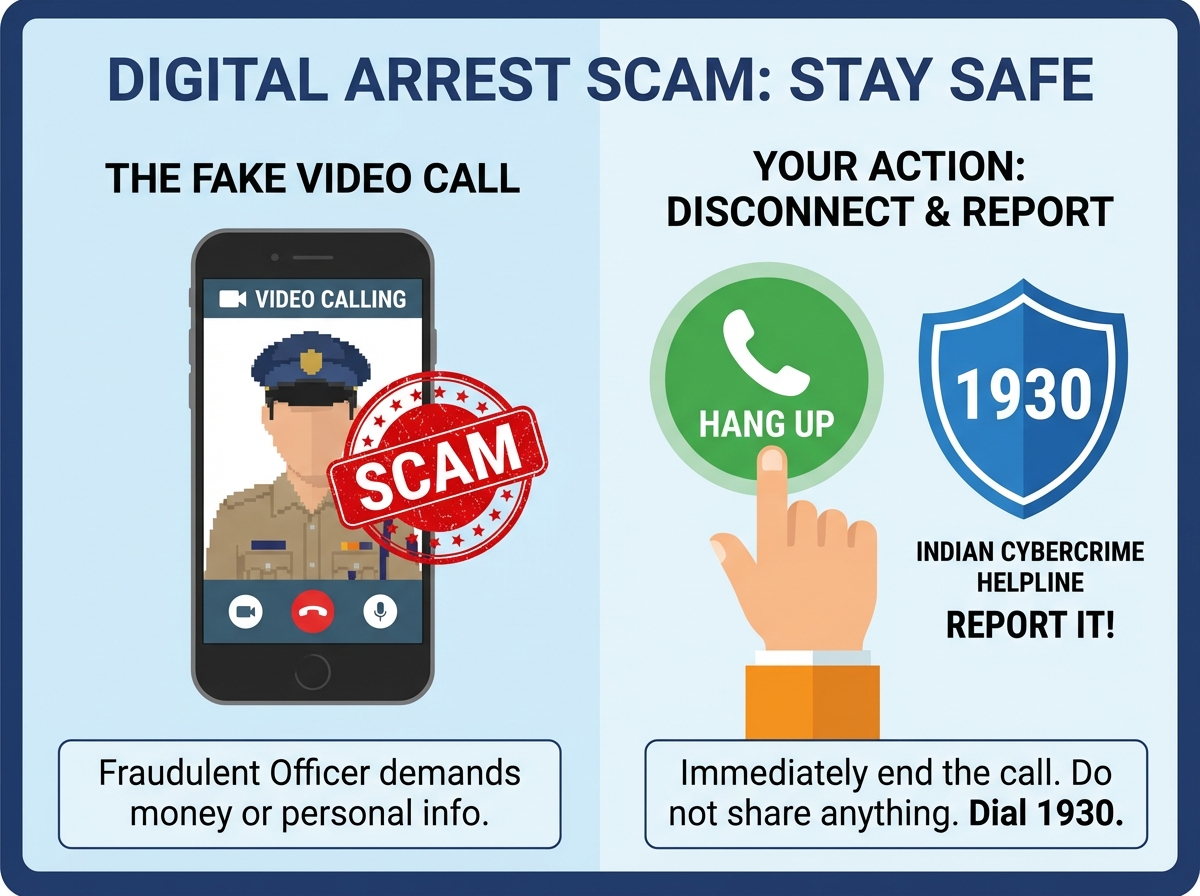
In 2026, we are witnessing the maturation of several high-impact fraud vectors. Digital arrest scams have become particularly virulent, where fraudsters pose as law enforcement or CBI officials to coerce victims into "virtual custody" through video calls. These attacks rely on psychological pressure and the spoofing of official credentials. Furthermore, the rise of Android malware distributed via malicious WhatsApp links—often disguised as KYC updates or government subsidies—has forced a re-evaluation of mobile security protocols.
Regulatory bodies have responded with increased rigor. The RBI’s updated KYC Master Direction (2025) emphasizes stronger consumer protection and the necessity for banks to educate customers on the nuances of digital authentication. Compliance is no longer just about meeting a checklist; it is about demonstrating that customers are equipped to recognize and report fraud in real-time. Effective digital fraud prevention India 2026 requires a layered defense where policy-driven controls are reinforced by high-frequency, high-relevance consumer education.
Sources:
Segmented Protection Strategies: Elderly Customer Protection Campaigns and Vernacular Content
A "one-size-fits-all" approach to security awareness is a relic of the past. In 2026, the most successful digital fraud prevention India 2026 programs are those that segment users based on risk profiles and digital literacy. Elderly customer protection campaigns are a primary focus, as this demographic often possesses significant savings but may lack the technical intuition to spot sophisticated phishing. These campaigns must utilize larger typography, slower-paced audio, and high-contrast visuals to ensure accessibility.
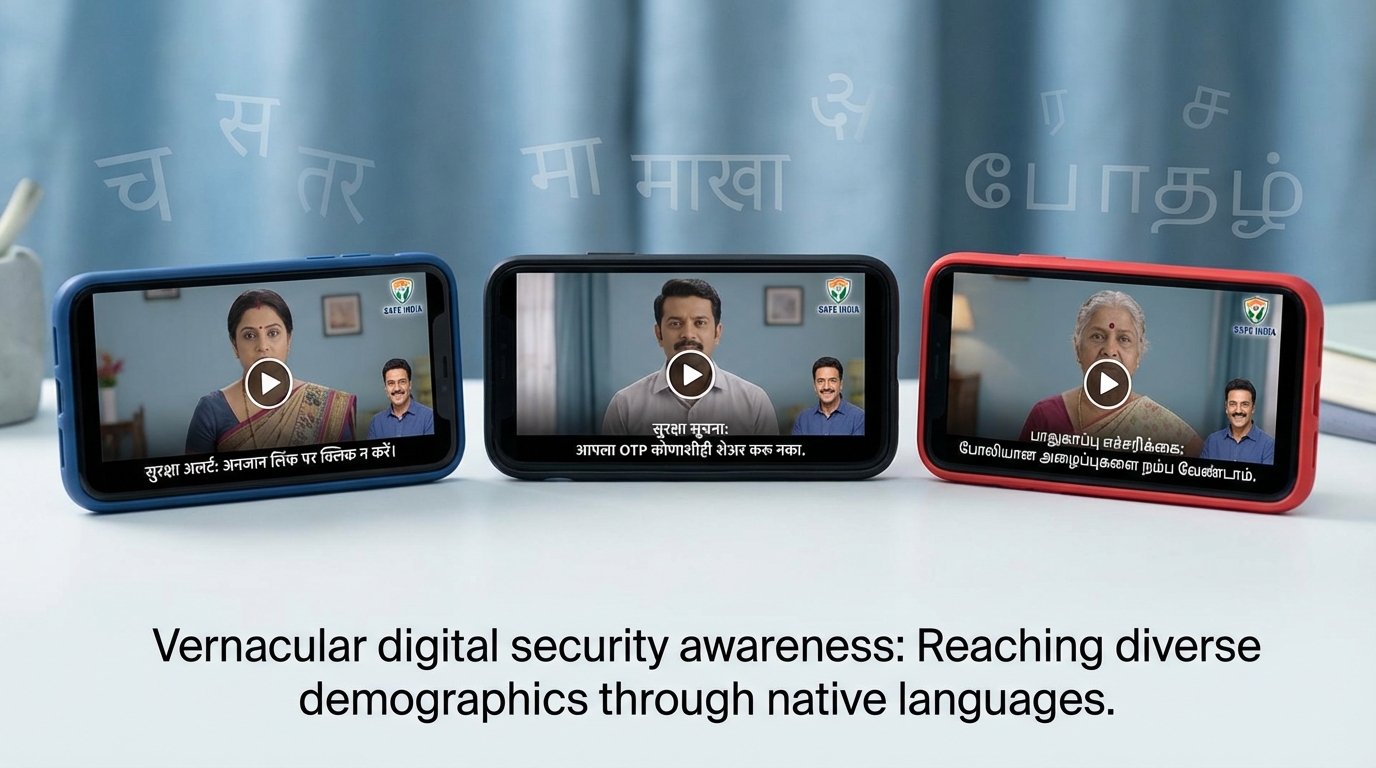
Vernacular fraud awareness content is the cornerstone of reaching the "Next Billion Users." As digital migration accelerates in rural India, providing security education in Hindi, Marathi, Bengali, Tamil, and other regional languages is non-negotiable. Research indicates that users are 40% more likely to retain security information when it is delivered in their native tongue using local idioms and culturally relevant scenarios. For example, a campaign in rural Karnataka might use a "fake agricultural subsidy" scenario, while an urban campaign might focus on "fake luxury brand flash sales."
Personalization dimensions for these segments must include:
- Linguistic Preference: Auto-detecting and serving content in the user's primary language.
- Journey Stage: Triggering a "Never share your PIN" video specifically when a user initiates their first UPI transaction of the month.
- Device Risk: Sending more frequent alerts to users on older Android versions or those with high-risk app permissions enabled.
- Geographic Context: State-specific alerts during local festivals (e.g., Onam or Baisakhi) to counter localized scam waves.
By tailoring the delivery and tone of the message, enterprises can transform passive awareness into active behavioral change. This segmentation ensures that the most vulnerable users receive the most intensive support, thereby reducing the overall fraud surface area of the organization.
Omnichannel Awareness Tactics: WhatsApp Scam Alert Automation and Video-First Education
To combat the velocity of modern scams, awareness must be as instantaneous as the fraud itself. WhatsApp scam alert automation has emerged as a critical channel for 2026, given the platform's near-ubiquity in India. By integrating with CRM systems, enterprises can trigger real-time alerts when a new scam pattern is detected by CERT-In or internal fraud engines. These alerts should not just be text-based; they must incorporate short, engaging videos that demonstrate the "red flags" of the current threat.
TrueFan AI's 175+ language support and Personalised Celebrity Videos allow brands to create high-impact security content that commands attention. When a trusted brand ambassador or a recognizable figure explains the mechanics of a UPI collect request scam, the message carries significantly more weight than a standard SMS warning. These videos should be vertical, 60–90 seconds in length, and follow a strict "Hook-Red Flag-Action" script format.
Key tactical modules for 2026 include:
- UPI Scam Awareness Videos: Visualizing the difference between "Pay" and "Receive" screens. Dramatizing how scammers use "test transactions" of ₹1 to gain trust before sending a large collect request.
- OTP Fraud Awareness Marketing: Multichannel reinforcement that banks never ask for OTPs via phone calls. Using IVR dramatizations for elderly cohorts to simulate a fraudulent call and show the correct response (hanging up).
- Fake Website Detection Education: A 7-step checklist delivered via interactive WhatsApp carousels. This includes verifying domain spellings (e.g., "amozon.in" vs "amazon.in"), checking for the absence of official contact details, and cautioning against "urgent" countdown timers on unknown sites.
- Digital Arrest Scam Prevention: High-priority alerts detailing that no government agency will ever demand payment via a video call or ask for a "security deposit" to avoid arrest.
These tactics ensure that security education is integrated into the user's daily digital life, rather than being an afterthought. The goal is to create a "muscle memory" for security, where the user instinctively pauses when they encounter a suspicious request.
Sources:
Situational Programs: Festival Shopping Security and Customer Trust Building Campaigns
The cyclical nature of fraud in India is closely tied to the cultural calendar. Festival shopping security programs are essential during peak periods like Diwali, Eid, and Christmas, when transaction volumes surge and consumers are more susceptible to "too-good-to-be-true" offers. A proactive 8-week festival security calendar should include a "warm-up" phase of education, a "peak" phase of daily micro-tips, and a "post-festival" phase focusing on refund and return scams.
Customer trust building campaigns go beyond simple fraud prevention; they position the brand as a guardian of the customer's financial well-being. Transparency is key here. Enterprises should publish "Safety Commitments" and share anonymized statistics on how many fraud attempts were successfully thwarted. When a customer feels that their bank or payment app is actively looking out for them, their Net Promoter Score (NPS) and long-term loyalty increase significantly.
Strategic elements of trust-building include:
- Zero-Liability Clarity: Clearly communicating the steps a user needs to take to ensure they are protected under zero-liability policies.
- Easy Reporting Pathways: Integrating a "Report Scam" button directly into the WhatsApp alert or the app's home screen, reducing the time-to-report.
- Interactive Learning: Using "Scam Quizzes" with small rewards (like cashback or loyalty points) to gamify the learning process and build recall.
- Brand Accountability: Providing clear SLAs for dispute resolution, ensuring the customer doesn't feel abandoned after an incident.
By aligning security awareness with the festive spirit and brand values, organizations can turn a potentially negative topic (fraud) into a positive touchpoint for customer engagement.
Measurement, ROI, and Implementation: Fraud Prevention ROI Measurement
For any CISO, the ultimate validation of an awareness program is its impact on the bottom line. Fraud prevention ROI measurement in 2026 requires a sophisticated data model that moves beyond "vanity metrics" like video views. Organizations must track leading indicators—such as quiz scores and "Report Scam" click-through rates—and link them to lagging indicators like the reduction in successful UPI/OTP scam rates and the average loss per incident.
Solutions like TrueFan AI demonstrate ROI through their ability to deliver high-engagement content that significantly alters user behavior in high-risk segments. By running A/B tests between "exposed" and "control" cohorts, enterprises can quantify the exact reduction in fraud losses attributable to a specific campaign. For instance, a targeted campaign for the elderly might show a 25% decrease in successful social engineering attacks compared to a group that only received standard SMS alerts.
The implementation blueprint for a 2026-ready program follows a structured 7-week rollout:
- Weeks 1-2 (Mapping): Identify high-risk journeys (e.g., KYC updates, first-time UPI) and define segment-specific scripts.
- Weeks 3-4 (Build): Create multilingual video templates and set up WhatsApp automation triggers via API.
- Weeks 5-6 (Pilot): Launch to a small cohort, calibrate frequency caps (e.g., no more than 3 alerts/week), and refine voice/language variants.
- Week 7+ (Scale): Roll out nationally, integrating with the festival calendar and real-time CERT-In advisory feeds.
This data-driven approach ensures that every rupee spent on awareness is an investment in loss prevention. It transforms security from a cost center into a value-driver that protects both the customer and the institution's reputation.
Sources:
Research Sources Summary
Frequently Asked Questions
What is a "Digital Arrest" scam and how can it be prevented?
A digital arrest scam involves fraudsters posing as law enforcement officials (CBI, Police, or Customs) via video calls. They claim you are involved in a crime and demand a "security deposit" to avoid immediate arrest. Prevention involves knowing that no Indian government agency will ever conduct an arrest or demand money over a video call. Always verify such claims by visiting the local police station or calling the official 1930 helpline.
How can I distinguish between a genuine UPI collect request and a scam?
A genuine collect request is one you have initiated (e.g., paying a utility bill or a merchant). If you receive a request out of the blue, especially with a message like "Enter PIN to receive prize money," it is a scam. Remember: you never need to enter your UPI PIN to receive money.
Why is vernacular content important for digital fraud prevention India 2026?
India’s digital growth is now driven by non-English speakers. Security warnings in English often fail to convey the urgency or specific nuances of a scam to these users. Vernacular content ensures that the "human firewall" is equally strong across all linguistic demographics, reducing the risk of social engineering.
What are the key indicators of a fake e-commerce website?
Look for domain name discrepancies (e.g., extra letters or ".net" instead of ".in"), the absence of a physical address or GSTIN, and prices that are unrealistically low. Most fake sites also use high-pressure tactics like "Offer ends in 2 minutes" to prevent you from doing a background check.
How does TrueFan AI help in reducing fraud rates for enterprises?
TrueFan AI provides the technology to create hyper-personalized, celebrity-led security videos in over 175 languages. By making security education engaging and relatable, it ensures higher retention and better behavioral outcomes compared to traditional text-based warnings, directly contributing to a measurable reduction in fraud incidents.
What should I do immediately if I have been defrauded?
Immediately report the incident on the National Cyber Crime Reporting Portal or call the national helpline 1930. Simultaneously, contact your bank or payment app to freeze your accounts and initiate a dispute.



