Employee Appraisal Wellness 2026: AI-Powered Stress Relief, Gamified Engagement, and Retention Wins for Q1 Reviews
Estimated reading time: ~10 minutes
Key Takeaways
- Appraisal wellness is a strategic necessity in 2026 to counter post-review attrition and protect culture.
- Combine AI-powered HR video personalization and compassion-led practices to reduce anxiety and improve fairness.
- Wellness challenge gamification normalizes stress management and boosts morale during Q1 cycles.
- A disciplined, multi-week implementation playbook aligns support before, during, and after reviews.
- Track ROI and retention using engagement signals, EAP utilization, sentiment shifts, and completion quality.
The Q1 2026 performance review cycle arrives at a critical juncture for Indian enterprises, where the intersection of high-growth targets and employee mental health has never been more scrutinized. Implementing a robust employee appraisal wellness 2026 strategy is no longer a luxury; it is a defensive necessity against the projected 18% spike in “regrettable attrition” typically seen following bonus payouts. Organizations are now pivoting toward performance review anxiety solutions that move beyond generic PDFs, opting instead for workplace mental health support systems that are personalized, proactive, and data-driven.
By launching targeted Q1 2026 employee wellness campaigns, People Ops leaders can transform a period of high-stakes uncertainty into a window for cultural reinforcement. The shift involves moving away from “score-keeping” and toward a holistic support model that utilizes HR video personalization and wellness challenge gamification. This playbook outlines how to deploy an 8-week appraisal support program designed to reduce burnout, improve morale, and secure long-term retention through the strategic use of AI and evidence-based wellness interventions.
1. Why Appraisal Season Spikes Stress and Threatens Retention
The “Appraisal Season” in India has historically been synonymous with anticipatory anxiety, largely due to the high correlation between ratings and immediate financial outcomes. In 2026, as the hybrid work model matures, the ambiguity in performance criteria often leads to a perceived lack of fairness, which is a primary driver of workplace toxicity. When employees feel that their hard work is being reduced to a single, opaque number, the resulting stress manifests as disengagement and a sharp decline in productivity during the crucial Q1 calibration weeks.
Research indicates that workplace dissatisfaction and burnout have become prominent concerns in the Indian corporate landscape, with manager behaviors acting as the decisive lever for employee stability. Platforms like TrueFan AI enable leadership to bridge this communication gap by delivering empathetic, personalized messages that demystify the review process. Without such interventions, the “calibration crunch” often leads to a spike in post-review exits, as employees who feel undervalued or misunderstood during the process begin seeking external opportunities immediately after receiving their feedback.
The shift toward continuous feedback is a proven method to mitigate this “unnecessary stress” around the review month. For example, 3M India has successfully moved away from annual-only cycles to ensure that the formal appraisal is merely a summary of ongoing conversations rather than a series of surprises. By addressing appraisal stress management videos and performance review anxiety solutions early in the quarter, HR teams can prevent the “anticipatory dread” that often paralyzes high-performers while expanding workplace mental health support.
Sources:
2. Evidence-Based Appraisal Season Support and Holistic Wellness
To combat the systemic stress of Q1, enterprises are adopting holistic health engagement models that integrate mental, physical, and social pillars directly into the appraisal workflow. This infrastructure ensures that wellness is not an “afterthought” but a core component of the performance management experience. By embedding burnout prevention campaigns into the review timeline, organizations signal that employee well-being is a prerequisite for high performance, not a reward for it.
Preventive mental health practices, such as compassion and kindness initiatives, have shown significant results in reducing burnout across high-pressure sectors. Managers who are coached to share criteria, provide specific examples, and offer preparation steps pre-review can significantly lower the cortisol levels of their direct reports. Furthermore, providing meditation mindfulness programs and work-life balance coaching videos during the most intense weeks of the review cycle helps employees maintain focus and emotional regulation.
Flexibility remains a critical wellbeing lever in the 2026 Indian workplace. Companies that offer flexible access to resources and “wellness days” during the review window see higher levels of trust and engagement. Integrating employee assistance video content that explains how to access counseling or financial planning services ensures that support is visible and accessible at the exact moment it is needed most. This proactive approach transforms the HR department from a “process enforcer” into a “support partner.”
Sources:
3. Wellness Challenge Gamification and Morale Boosting Initiatives
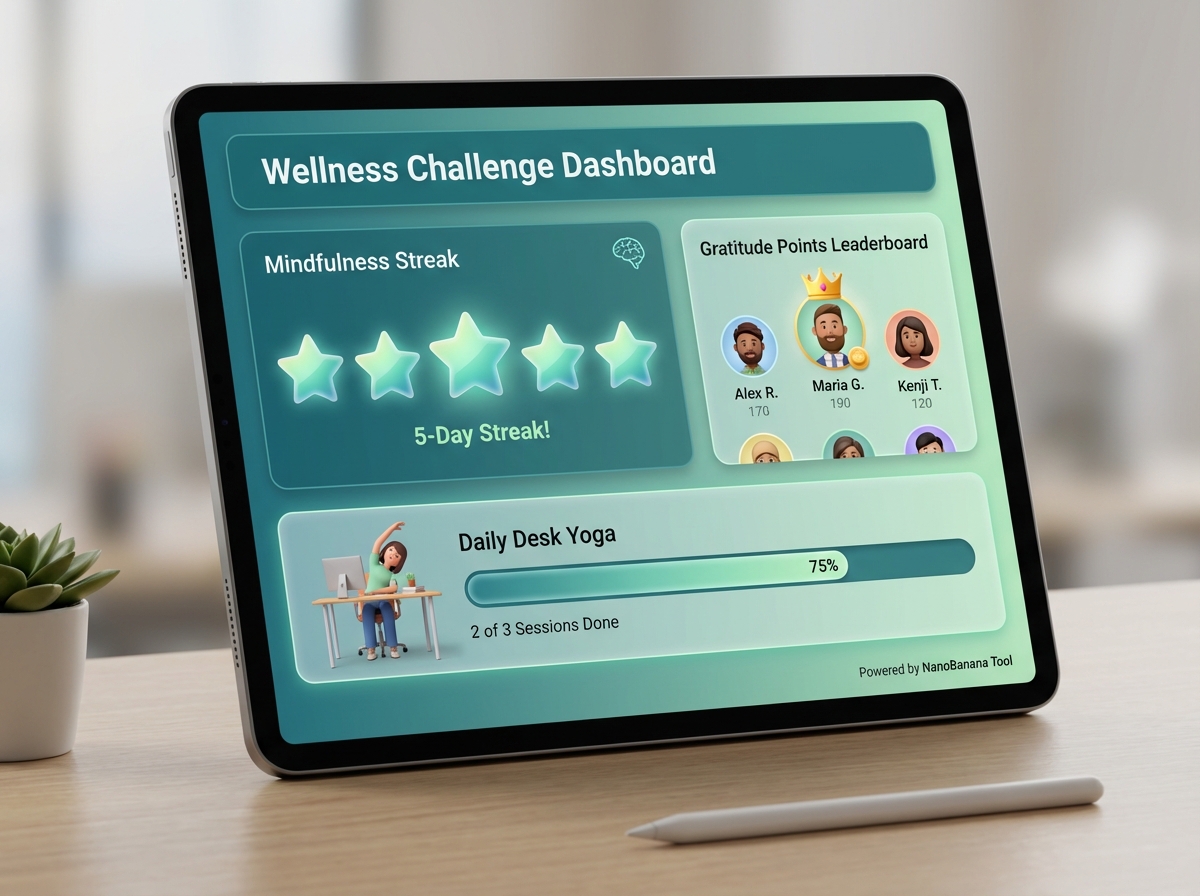
One of the most effective ways to drive holistic health engagement during the appraisal season is through wellness challenge gamification. By introducing structured, time-bound micro-challenges—such as 10-minute mindfulness streaks, sleep hygiene tracking, or gratitude journaling—HR teams can normalize the use of stress-management tools. These challenges, ideally running from one week before reviews start to two weeks after they conclude, provide a positive focal point that balances the intensity of performance discussions.
Gamification works by leveraging points, badges, and team leaderboards to foster a sense of community and shared purpose. When these challenges are tied to morale boosting initiatives, such as weekly shout-outs from leadership or peer-to-peer kudos, the psychological safety of the entire organization improves. Recognition should not just be for “performance” but also for “participation” in the wellness ecosystem, reinforcing the idea that the company values the person, not just the output.
To ensure long-term impact, enterprises are increasingly using employee retention incentives triggered by engagement milestones. These might include modest, policy-aligned rewards like L&D vouchers, mental health day passes, or wellness wallet credits. By making these incentives accessible through asynchronous, mobile-first content, organizations ensure that even the busiest employees can participate. This approach creates a “retention cushion” that makes employees feel supported and valued during an otherwise stressful period.
Key Components of a 2026 Wellness Challenge
- Micro-Mindfulness: 5-minute guided sessions delivered via mobile.
- Gratitude Streaks: Daily prompts to recognize a colleague’s support.
- Physical Nudges: Step challenges or “desk yoga” breaks.
- Social Connection: Virtual “coffee chats” focused on non-work topics.
4. Scaling with AI: HR Video Personalization for Appraisal Season Support
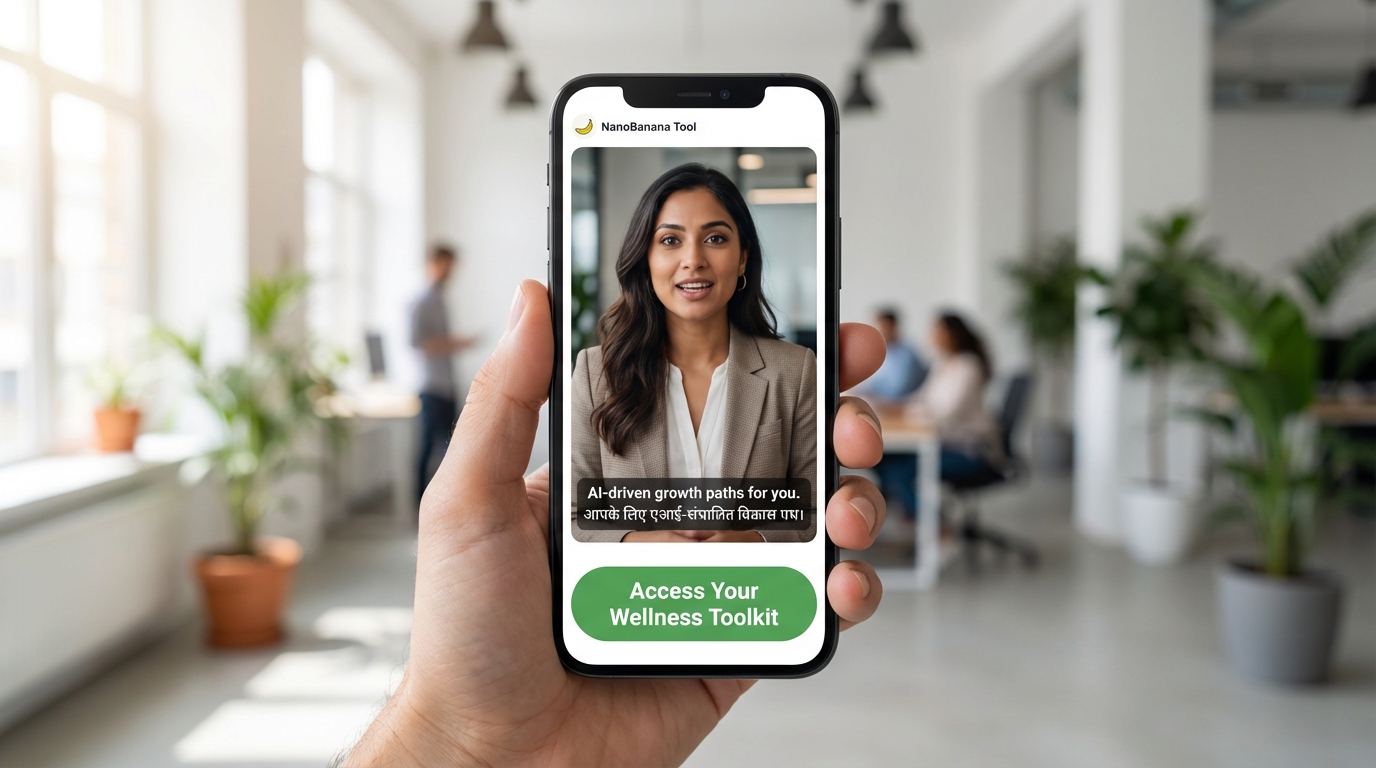
As organizations grow, maintaining a “human touch” during appraisals becomes a significant challenge. This is where HR video personalization becomes a game-changer. TrueFan AI's 175+ language support and Personalised Celebrity Videos allow enterprises to deliver hyper-personalized messages that address each employee by name, role, and specific review timeline. This level of detail ensures that the message of support feels authentic rather than like a generic corporate broadcast.
Using AI-driven video allows for “virtual reshoots” and rapid iterations, meaning HR teams can update scripts to reflect policy changes or new employee retention incentives without the need for expensive production cycles. For a diverse workforce like India's, the ability to localize content into Hindi, Tamil, Bengali, Marathi, and other regional languages is crucial for ensuring that wellness messages resonate at a personal level. This inclusivity is a cornerstone of modern workplace mental health support.
Beyond simple greetings, these personalized videos can serve as “manager micro-coaching” tools. By providing managers with AI-generated scripts and video guides on how to deliver fair and empathetic feedback, organizations can standardize the quality of the appraisal experience across all departments. These videos can be delivered through omnichannel platforms—Slack, Teams, WhatsApp Business, or email—ensuring that the appraisal season support is always just one click away.
Technical Capabilities for 2026 Deployment
- API Integration: Real-time rendering of personalized fields (Name, Manager, Date).
- Multilingual Reach: 175+ languages for a truly inclusive Indian workforce.
- Omnichannel Delivery: Seamless distribution across all enterprise communication tools.
- Analytics Dashboard: Tracking watch-through rates and CTA clicks to measure engagement.
5. Implementation Playbook: Q1 2026 Employee Wellness Campaigns
A successful employee appraisal wellness 2026 rollout requires a disciplined, multi-week cadence. The goal is to build a “support ramp” that starts well before the first review meeting and continues through the post-appraisal “recovery” phase. By segmenting the workforce based on role, region, and even past engagement levels, HR can deliver the most relevant work-life balance coaching videos and performance review anxiety solutions to the right people at the right time.
Q1 2026 Rollout Calendar
- Weeks -3 to -2 (Awareness & Preparation):
- Launch “What to Expect” personalized videos explaining the 2026 criteria.
- Distribute manager coaching packs focused on empathetic feedback.
- Introduce appraisal stress management videos that provide self-assessment checklists and link employees to financial wellbeing resources (financial wellness video campaigns 2026).
- Week -1 (The Engagement Kickoff):
- Start the 21-day wellness challenge gamification.
- Leadership pledge videos emphasizing psychological safety and growth mindsets.
- Open “Wellness Hubs” on the intranet with meditation mindfulness programs.
- Week 0 (Review Week):
- Daily “Micro-Breathing” nudges delivered via Slack/Teams.
- Employee assistance video content reminders with direct booking links for EAP.
- “Focus Block” calendar holds to give employees time to process feedback.
- Weeks +1 to +2 (Recovery & Integration):
- Gratitude and peer-recognition spotlights.
- Distribution of employee retention incentives for challenge completion.
- Burnout prevention campaigns focused on setting goals for the new quarter.
Sample Script Guidelines for Personalized Video
- Hook: “Hi {FirstName}, we know appraisal season can be intense, but we’re here to support you.”
- Value: “This year, we’ve simplified the process. Here are three things to keep in mind...”
- CTA: “Click here to download your ‘Stress-Free Review’ checklist.”
6. Measurement, ROI, and Retention Crisis Prevention Automation
To justify the investment in Q1 2026 employee wellness campaigns, People Ops leaders must move beyond “vanity metrics” and focus on data that correlates wellness with business outcomes. Solutions like TrueFan AI demonstrate ROI through increased engagement rates and the ability to track how personalized interventions directly impact employee sentiment during high-stress periods. By monitoring video completion rates and CTA clicks to EAP services, HR can identify “at-risk” cohorts before they reach a breaking point. For organizations systemizing retention crisis prevention automation, consider predictive signals and orchestration frameworks similar to those used in predictive analytics customer retention.
Retention crisis prevention automation involves using these engagement signals to trigger automated, supportive outreach. For example, if an employee in a high-workload department has not engaged with any wellness content and their pulse survey scores are dropping, the system can automatically nudge their manager to schedule a “well-being check-in” rather than a “performance check-in.” This proactive approach is the hallmark of a mature, data-driven HR function in 2026.
Key Performance Indicators (KPIs) for Appraisal Wellness
- EAP Utilization Lift: Target a 25% increase in proactive support-seeking.
- Challenge Participation: Aim for 30%+ active engagement in gamified wellness.
- Sentiment Shift: Measure the delta in “anxiety” vs. “clarity” scores pre- and post-review.
- Regrettable Attrition: Target a 15% reduction in Q2 exits compared to the 2025 baseline.
- On-Time Completion: Improved quality and timeliness of self-assessments.
Conclusion: Securing the Future of Your Workforce
The success of an organization in 2026 is inextricably linked to the psychological safety and well-being of its people. By treating the appraisal season as a wellness opportunity rather than a purely administrative task, HR leaders can build a more resilient, loyal, and high-performing workforce. The integration of HR video personalization, wellness challenge gamification, and retention crisis prevention automation provides a comprehensive framework for navigating the complexities of Q1 reviews.
As you prepare for the upcoming cycle, remember that the goal is to move from “managing performance” to “enabling people.” Investing in employee appraisal wellness 2026 is the most effective way to ensure that your top talent stays engaged, motivated, and ready to tackle the challenges of the year ahead. Book an enterprise demo to launch employee appraisal wellness 2026 campaigns in under two weeks and see how AI-driven personalization can transform your culture.
Frequently Asked Questions
How can we reduce employee anxiety before the appraisal meeting starts?
The most effective way is through transparency and preparation. Use appraisal stress management videos to walk employees through the exact agenda of the meeting, what data will be used, and how they can best present their achievements. Providing a “Self-Assessment Toolkit” two weeks in advance helps employees feel in control of the narrative. Learn more in this guide on employee wellness for Q1 2026.
What role does AI play in employee wellness during reviews?
AI, specifically through HR video personalization, allows HR to scale empathy. Instead of a cold, mass email, an employee receives a video from their leadership or manager that addresses them by name and offers specific wellness resources. This makes the support feel personal and prioritized.
How do we encourage employees to use the EAP during this busy time?
Demystify the service using employee assistance video content. Many employees avoid EAPs because they fear a lack of confidentiality or don't know what to expect. A short, 60-second video explaining the “how-to” and the “privacy-first” nature of the service can increase booking rates by over 20%. See examples in this overview of workplace mental health support.
Can TrueFan AI help with manager training for appraisals?
Yes. TrueFan AI can be used to create personalized “Manager Micro-Coaching” series. These videos provide managers with scripts for difficult conversations, tips on avoiding unconscious bias, and reminders to check in on their team's mental health during the calibration cycle. Explore these employee review season engagement ideas.
What are the best incentives for a wellness challenge?
In 2026, “time” and “growth” are the most valued incentives. Consider offering “Mental Health Half-Days,” L&D credits for personal interest courses, or wellness wallet top-ups that can be spent on gym memberships or therapy apps. These employee retention incentives reinforce a culture of holistic care.



