Pre-monsoon healthcare marketing 2026: The enterprise playbook for seasonal illness prevention and family protection in India
Estimated reading time: ~9 minutes
Key Takeaways
- Adopt a family-first automation approach to move households from awareness to action before the monsoon.
- Build recurring revenue with preventive wellness subscriptions that bundle diagnostics, teleconsults, and replenishments.
- Use hyper-personalized multilingual videos and regional alerts to drive measurable preventive behaviors.
- Time cross-sell campaigns (purifiers, repellents, insurance riders) to weather and disease triggers.
- Measure success with preventive action KPIs and cohort-level ROI frameworks, not just clicks.
The landscape of pre-monsoon healthcare marketing 2026 in India represents a critical pivot from reactive treatment to proactive, household-level intervention. As the March–April window approaches, enterprise healthcare brands—ranging from multi-specialty hospitals to D2C wellness giants—must orchestrate sophisticated strategies to address the seasonal surge in vector-borne and water-borne diseases. This period is no longer just about awareness; it is about driving measurable seasonal illness prevention through hyper-localized, data-driven engagement.
In 2026, the Indian digital health ecosystem is projected to reach unprecedented maturity, fueled by massive investments in AI infrastructure and a national shift toward preventive care. Success in this high-stakes environment requires more than generic messaging; it demands a “family-first” automation approach that moves households from climate-induced anxiety to structured preventive action. Platforms like TrueFan AI enable enterprises to bridge this gap by delivering personalized, multilingual video content that resonates at a pin-code level.
By integrating regional health alert personalization with comprehensive wellness subscriptions, brands can establish themselves as trusted guardians of family health. This playbook outlines the strategic framework for dominating the pre-monsoon window, ensuring that every marketing rupee contributes to both public health outcomes and robust enterprise growth.
Sources:
- TrueFan AI: Pre‑monsoon healthcare marketing 2026 guide
- afaqs!: Five healthcare marketing trends that will define 2026 in India
- The Economic Times: India’s AI infrastructure momentum and tech ties
1. The 2026 Epidemiological Landscape and the Shift to Seasonal Illness Prevention
The epidemiological burden in India remains heavily influenced by the monsoon, with dengue and malaria presenting significant public health challenges. According to the National Center for Vector Borne Diseases Control (NCVBDC), dengue reporting now spans almost every state and union territory, necessitating a decentralized marketing approach. By 2026, the national focus has intensified on the “National Strategic Plan for Malaria Elimination 2023–27,” making dengue malaria prevention campaigns a cornerstone of corporate social responsibility and commercial strategy.
Enterprises must align their messaging with NCVBDC-backed preventive actions, such as the elimination of stagnant water and the use of insecticide-treated nets. However, the 2026 consumer expects these guidelines to be delivered through modern, engaging formats rather than static posters. The transition to seasonal illness prevention as a core brand value allows healthcare providers to build long-term loyalty before the first raindrop falls.
Marketing teams should leverage historical cluster data to identify high-risk zones, tailoring their outreach to the specific needs of urban slums versus high-rise apartments. This granular targeting ensures that resources are allocated where the risk of transmission is highest, maximizing the impact of every campaign. By positioning prevention as a collective family responsibility, brands can tap into the protective instincts of household decision-makers during the March–April planning phase.
Sources:
- NCVBDC: National Guidelines for Clinical Management of Dengue Fever 2023 (PDF)
- NCVBDC: National Strategic Plan for Malaria Elimination 2023–27 (PDF)
2. Architecting the Preventive Wellness Subscription India Model
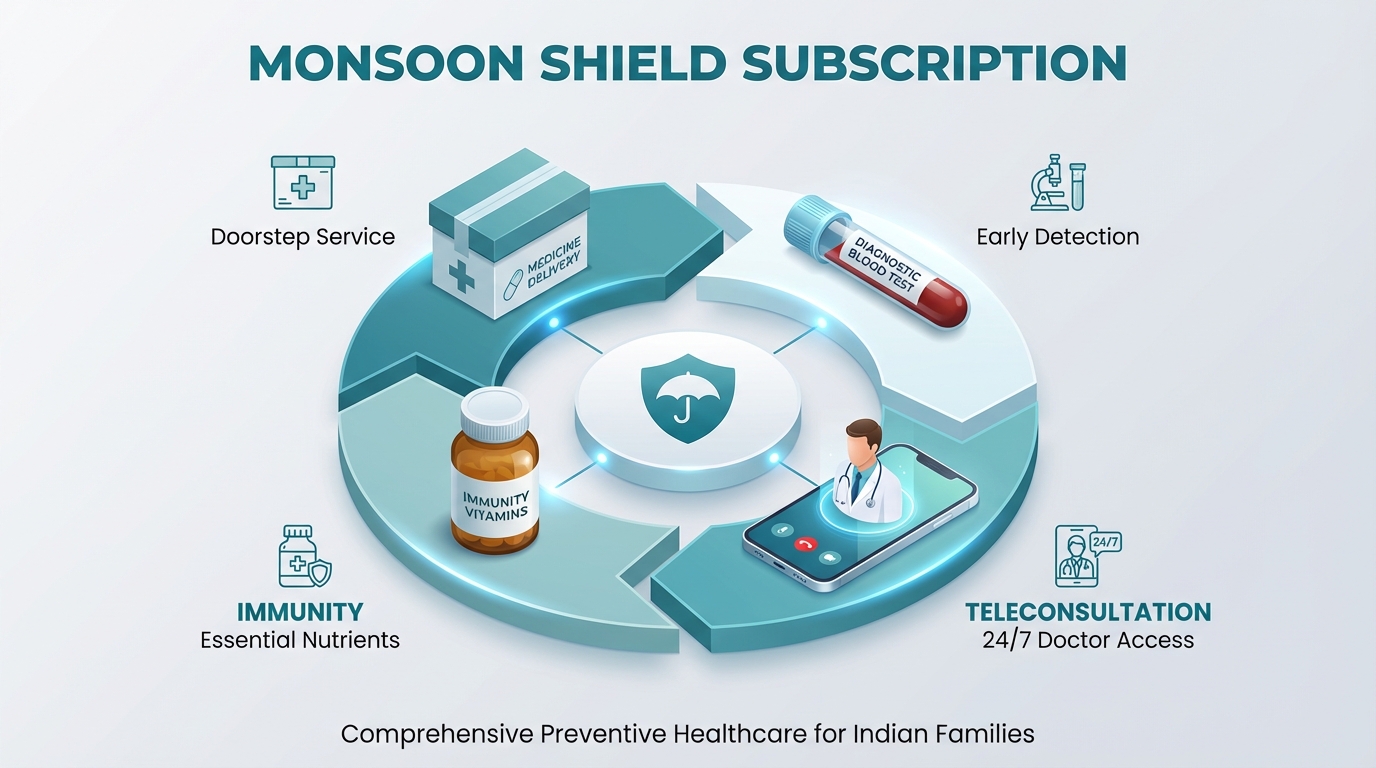
The rise of the preventive wellness subscription India model is a defining trend for 2026, offering a recurring revenue stream for brands while providing continuous protection for families. These subscriptions should be marketed as “Monsoon Shield” plans, bundling essential services like CBC and platelet count diagnostics, pediatric teleconsults, and vitamin refills. The goal is to create a seamless health journey that begins in March, well before the peak infection period in July and August.
To drive adoption, enterprises must utilize family health protection automation to manage the complexities of multi-member coverage. A typical subscription might include doorstep sample collection for seniors and automated medical checkup reminders for children, ensuring no family member is left vulnerable. These plans should also integrate with insurance riders, following the IRDAI Guidelines on Wellness and Preventive Features to offer reward points for healthy behaviors.
Packaging these subscriptions requires a deep understanding of household dynamics. For instance, a “Family Floater Wellness Plan” could offer 24/7 access to general practitioners and discounted mosquito repellent bundles. By automating the renewal and reminder process, brands can ensure high retention rates and provide a consistent safety net that evolves with the changing weather patterns.
Sources:
- IRDAI: Guidelines on Wellness and Preventive Features (PDF)
- TrueFan AI: Pre‑monsoon healthcare marketing 2026 guide
3. Hyper-Personalized Content: Monsoon Disease Awareness Videos and Immunity Nudges
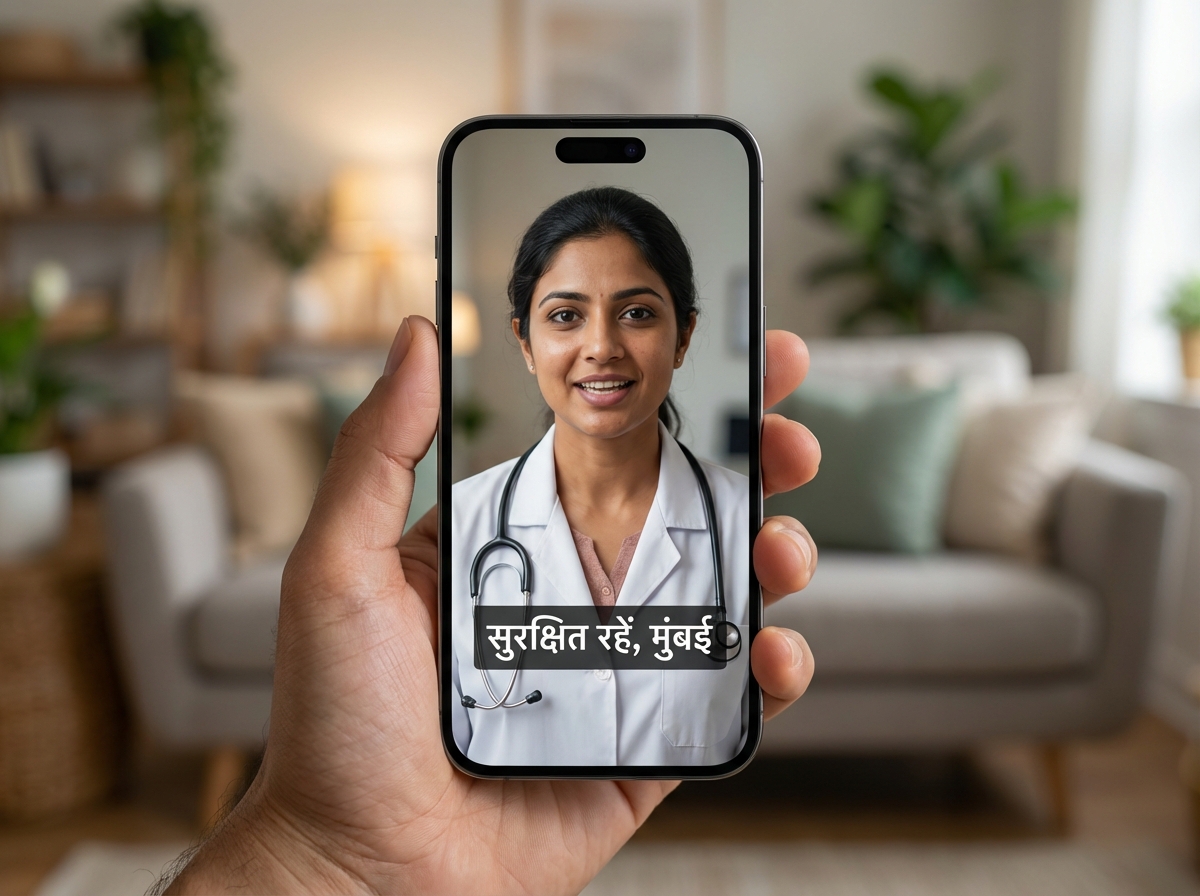
In a cluttered digital environment, generic health advice is often ignored. The 2026 strategy demands monsoon disease awareness videos that are hyper-personalized to the viewer’s location, language, and family structure. TrueFan AI’s 175+ language support and Personalised Celebrity Videos allow brands to deliver these messages with the authority and relatability required to trigger actual behavioral change.
For example, a video could feature a trusted figure addressing a mother in her native Marathi, mentioning her specific locality in Pune, and reminding her to check the flowerpots for stagnant water. Similarly, immunity booster personalization videos can be tailored to specific age groups, recommending Vitamin D and Zinc routines for seniors while suggesting age-appropriate supplements for toddlers. This level of detail transforms a standard advertisement into a valuable health advisory.
The technical execution involves API-triggered video generation that responds to real-time data, such as a sudden spike in local rainfall or a rise in reported dengue cases. By delivering these videos via WhatsApp Business API, brands can achieve high open rates and immediate engagement. The use of virtual reshoots allows marketing teams to update offers or safety guidelines in hours, ensuring the content remains relevant throughout the pre-monsoon window.
Sources:
- TrueFan AI: Monsoon healthcare marketing 2026
- TrueFan AI: Pre‑monsoon healthcare marketing 2026 guide
4. Family Health Protection Automation and Regional Alert Systems
Automation is the backbone of a successful 2026 pre-monsoon campaign. Family health protection automation involves creating a synchronized ecosystem where weather alerts, medical records, and supply chains interact. When a “Yellow Alert” for heavy rain is issued for a specific district, the system should automatically trigger regional health alert personalization workflows, sending localized safety checklists to every household in that area.
These automated journeys should include medical checkup reminders based on the family’s health history. For a household with a diabetic member, the system might prioritize blood sugar monitoring and foot care advice, as humidity can exacerbate certain conditions. This proactive approach reduces the burden on the healthcare system by preventing complications before they require hospitalization.
Furthermore, the integration of multilingual flows ensures that these alerts are accessible to all segments of the population. Whether it is a Hindi-speaking household in Bihar or a Kannada-speaking family in Bengaluru, the automation engine delivers the right message at the right time. This not only improves health outcomes but also positions the brand as a technologically advanced and empathetic partner in the family’s wellness journey.
Sources:
- NCVBDC: National Strategic Plan for Malaria Elimination 2023–27 (PDF)
- TrueFan AI: Pre‑monsoon healthcare marketing 2026 guide
5. Strategic Cross-Selling: Water Purifiers, Repellents, and Insurance Riders
The pre-monsoon period is a prime opportunity for cross-category synergy. Water purifier offer campaigns should be timed with the first pre-monsoon showers, emphasizing the risk of water-borne diseases like typhoid and cholera. Marketing teams can use personalized video to show a technician servicing a purifier in a kitchen that looks like the customer’s own, creating a powerful visual nudge to book a service or upgrade a filter.
Similarly, mosquito repellent marketing can be integrated into the broader wellness conversation. Instead of selling a product, brands should sell a “Safe Home” concept. This includes bundling liquid vaporizers, personal application creams, and even window screens into a single “Pre-Monsoon Protection Kit.” Offering these kits as part of a preventive wellness subscription India checkout process increases the average order value while providing comprehensive defense.
Health insurance providers can also play a pivotal role by introducing health insurance seasonal offers. These might include OPD riders that cover the cost of pre-monsoon diagnostics or wellness-linked discounts on premiums. By clearly communicating these benefits through personalized content, insurers can drive the uptake of high-margin add-ons while fulfilling their role in risk mitigation and seasonal illness prevention.
Sources:
- IRDAI: Guidelines on Wellness and Preventive Features (PDF)
- TrueFan AI: Monsoon healthcare marketing 2026
6. Measuring Success: The Framework for Preventive Care ROI Measurement
In 2026, the success of a marketing campaign is measured by its impact on health outcomes and long-term customer value. Preventive care ROI measurement requires a multi-dimensional approach that tracks not just clicks, but also “preventive actions taken.” This includes metrics such as the number of diagnostic tests completed, the rate of subscription renewals, and the adherence to immunity-boosting regimens.
Solutions like TrueFan AI demonstrate ROI through granular analytics that reveal which personalized variants drive the highest conversion. For instance, an enterprise might find that a video mentioning a specific family member’s name increases the watch-through rate by 40%, leading to a 15% lift in checkup bookings. These insights allow for continuous optimization, enabling marketers to scale high-performing cohorts and pause underperforming creative assets.
Finally, the use of wellness journey gamification can provide additional data points for ROI analysis. By tracking “streaks” of healthy behaviors—such as daily water intake or weekly stagnant water checks—brands can quantify the level of engagement and its correlation with reduced illness rates. This data is invaluable for refining future campaigns and demonstrating the tangible value of preventive marketing to stakeholders.
Sources:
- afaqs!: Five healthcare marketing trends that will define 2026 in India
- TrueFan AI: Monsoon healthcare marketing 2026
Sources:
- TrueFan AI: Pre‑monsoon healthcare marketing 2026 guide
- NCVBDC: Dengue Clinical Management Guidelines 2023 (PDF)
- IRDAI: Wellness and Preventive Features (PDF)
Recommended Internal Links
- Monsoon Healthcare Marketing 2026: Proven Campaign Ideas
- Pre-Monsoon Healthcare Marketing 2026: High-ROI Playbook
- Pre‑monsoon Healthcare Marketing 2026: Seasonal ROI Wins
- Pre-Monsoon Healthcare Marketing 2026: ROI-Driven Guide
- AI Celebrity Video Marketing India: Scalable, Personalized Endorsements
Frequently Asked Questions
When is the ideal time to launch a pre-monsoon healthcare marketing 2026 campaign?
The strategic window begins on March 1st with educational content focused on long-term prevention. By April 15th, the messaging should shift toward urgency, highlighting specific offers for wellness subscriptions and diagnostic checkups before the rains arrive.
How can medical checkup reminders be made more effective for Indian households?
Effectiveness is driven by personalization and channel choice. Using WhatsApp to send a video reminder that mentions the family member’s name and their specific health needs (for example, “Time for Rahul’s pre-monsoon CBC test”) significantly outperforms generic SMS alerts.
What role does TrueFan AI play in seasonal healthcare campaigns?
TrueFan AI provides the infrastructure for hyper-personalization at scale. It allows healthcare brands to generate thousands of unique videos in 175+ languages, featuring personalized hooks and localized health alerts that drive higher engagement and measurable ROI.
How do I ensure my health insurance seasonal offers are compliant with IRDAI?
All offers must align with the IRDAI Guidelines on Wellness and Preventive Features (2020). This involves focusing on reward-based wellness benefits, ensuring clear disclosures of terms, and avoiding any claims that imply a guaranteed cure or total prevention of disease.
What are the key KPIs for preventive care ROI measurement?
Key performance indicators include the conversion rate for wellness subscriptions, the completion rate of scheduled diagnostic tests, the lift in cross-sell categories (like water purifiers), and the overall reduction in acute care claims within the covered cohort.
Can regional health alert personalization really reduce disease incidence?
Yes, by providing timely, actionable advice in the local language, brands can empower citizens to take immediate steps—like clearing mosquito breeding sites—that directly impact the local transmission rates of diseases like dengue and malaria.