Women’s Day DEI Marketing 2026: A Genuine, Measurable Enterprise Playbook for India
Estimated reading time: ~12 minutes
Key Takeaways
- Give To Gain reframes Women’s Day from token posts to year-round reciprocity with measurable outcomes.
- An Inside-Out engine—recognition videos, maternal wellness, and policy transparency—drives female talent retention.
- An Outside-In engine—she-commerce partnerships and verified testimonials—builds diversity brand equity across India.
- Personalization at scale with multilingual, secure, accessible videos turns intent into impact on March 8 and beyond.
- Board-ready ROI metrics and a 30-day runbook align HR and Communications for sustained DEI momentum.
Women’s Day DEI marketing 2026 represents a pivotal shift for India-focused enterprise strategies, transforming March 8 corporate initiatives into year-round, measurable DEI programs. These strategies now span employee recognition, equitable policies, and market-facing storytelling, all powered by secure personalization at scale to move beyond the "token post" era. International Women’s Day 2026, occurring on March 8, centers on the "Give To Gain" campaign theme, emphasizing the power of reciprocity and collaboration to advance gender equality across the global and Indian corporate landscape.
For HR Directors and Corporate Communications Leaders at India-based enterprises, the objective is no longer just visibility; it is about building inclusive workplace marketing that improves female talent retention and strengthens diversity brand positioning. By integrating inside-out impact through female employee recognition videos and maternal wellness programs with outside-in impact through women entrepreneur partnerships, organizations can fulfill the "Give To Gain" promise. This playbook provides the technical and strategic scaffolding required to execute high-impact, data-driven campaigns that resonate from the boardroom to the front lines of Bharat.
1. The "Give To Gain" Framework: Redefining Women’s Day DEI Marketing 2026
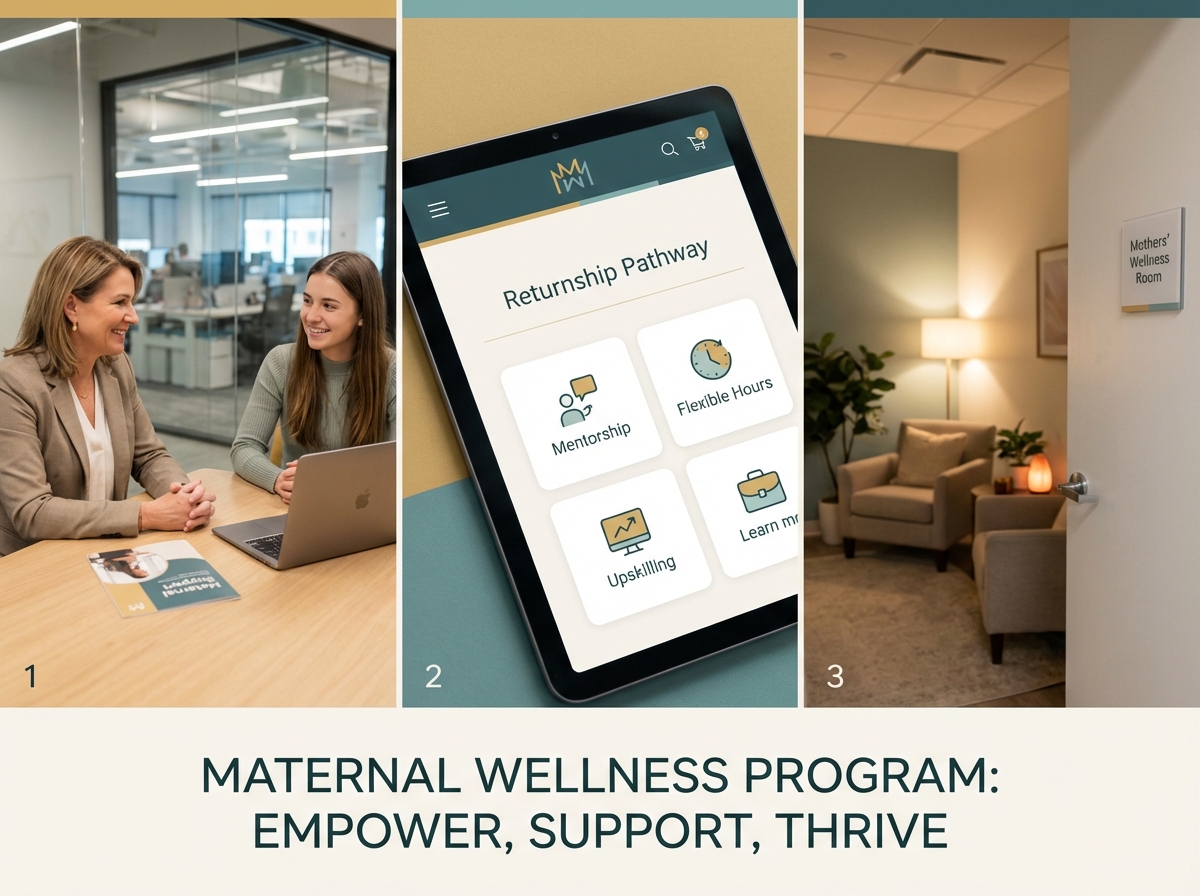
The "Give To Gain" theme for International Women’s Day 2026 serves as a catalyst for a new era of corporate reciprocity in India. In this framework, enterprises "give" resources, mentorship, and platforms to women, and in return, they "gain" innovation, brand loyalty, and deep-seated societal trust. This is a departure from previous years where the focus was often on awareness alone; 2026 demands a focus on the tangible exchange of value that drives systemic progress.
In the Indian context, "Give To Gain" translates to large-scale initiatives where companies move beyond the "one-day celebration" trap. Research indicates that by 2026, 68% of India’s Top 500 enterprises will have transitioned from tokenism to data-backed DEI reporting, making the March 8 corporate initiatives a launchpad for annual targets. Regional inspiration, such as the Asian Development Bank’s focus on "When Women Lead," signals that leadership storytelling is now a core lever for progress across Asian markets.
To succeed in 2026, your strategy must align with these three pillars:
- Reciprocity-Driven Mentorship: Moving from passive networking to structured "Give To Gain" programs where senior leaders pledge specific hours to high-potential female talent.
- Resource Allocation: Directing corporate social responsibility (CSR) budgets toward women-focused NGOs and she-commerce B2B marketing initiatives.
- Measurable Outcomes: Shifting the KPI from "likes" to "intent-to-apply" and "female talent retention" metrics that prove the business case for equity.
Sources:
- International Women’s Day 2026 Theme
- News18: IWD 2026 Date and Significance
- Economic Times: IWD 2026 Overview
- ADB: International Women’s Day and Gender Month 2026
2. The Inside-Out Engine: Driving Female Talent Retention via Inclusive Workplace Marketing
Authentic diversity brand positioning begins within the organization’s own walls through inclusive workplace marketing. This involves ongoing internal communications and content that reflect, support, and advance equity for women across hiring, pay, and progression. In 2026, the most effective tool for this is the use of female employee recognition videos that pair clear criteria with manager-led prompts to drive recognition equity across all functions.
These videos should not be generic; they must be technically robust and culturally nuanced. A successful execution playbook includes remote capture templates, vernacular options for regional offices, and a strict consent workflow to ensure psychological safety. Furthermore, workplace equality videos should be deployed to act as policy-anchored explainers for PoSH (Prevention of Sexual Harassment) protocols, unbiased performance calibration, and equal pay audit cadences.
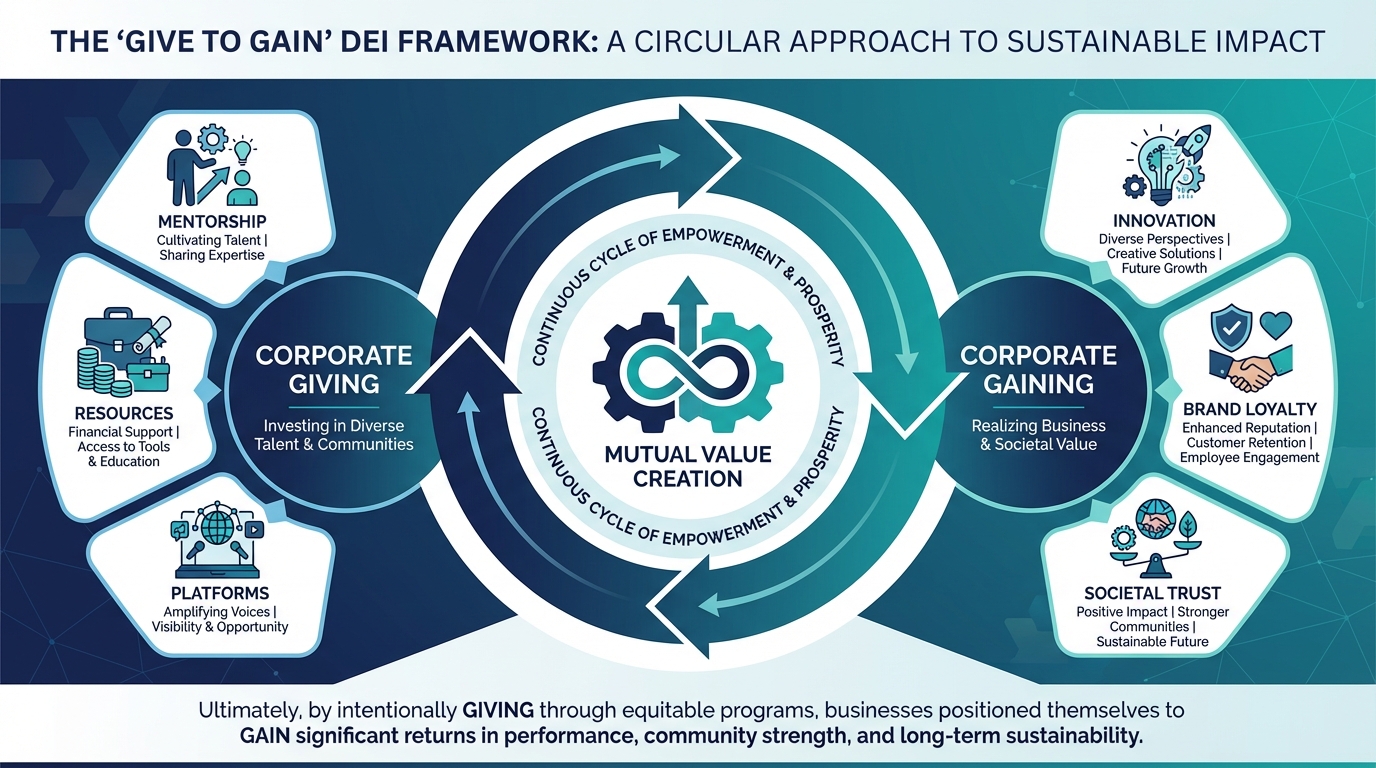
To truly impact female talent retention, enterprises must also prioritize maternal wellness programs. These are no longer just "benefits" but integrated services spanning pre-natal care to returnship pathways and manager training. By 2026, data shows that maternal wellness programs can reduce attrition among new mothers by up to 22% when supported by transparent communication. These programs should be highlighted through women leadership storytelling, where senior leaders share their own "return-to-work" narratives to normalize the journey.
Key Components of the Inside-Out Engine:
- Narrative Arc for Storytelling: Early barrier → Sponsor intervention → Skill accelerant → Measurable outcome → Pay-it-forward action.
- Technical Checklist: ISO 27001-compliant platforms, audit logs for PII (Personally Identifiable Information), and sub-30s rendering for real-time recognition.
- Policy Transparency: Using workplace equality videos to publish progress on diversity targets quarterly, rather than annually.
Sources:
- Republic World: Women Leaders Shaping the Future of Business
- People Matters: Building an Inclusive Future for Women in Engineering
- Breath Beings: International Women’s Day Corporate Programs
3. The Outside-In Engine: Strengthening Diversity Brand Positioning Through She-Commerce
Market-facing credibility in 2026 requires more than just slogans; it requires a commitment to the "Outside-In" engine of growth. This involves leveraging women customer testimonials and women entrepreneur partnerships to demonstrate that your brand actively supports the economic empowerment of women. She-commerce B2B marketing has emerged as a critical sub-topic, targeting women decision-makers and SMB founders with tailored financing literacy and peer forums.
Women customer testimonials should be treated as verified proof points that link product usage to tangible outcomes, such as revenue gained or risk reduced. For Bharat-based audiences, these testimonials must be available in vernacular variants to ensure the message of empowerment reaches every corner of the market. By 2026, B2B she-commerce in India is estimated to be a $15 billion opportunity, making this a strategic priority for enterprise growth.
Partnering with women-led startups or nonprofits also aligns with the "Give To Gain" theme. These partnerships should focus on co-creation models, such as pilot grants or distribution access, rather than simple sponsorships. Benchmarking against successful gender equality campaigns India, such as Ariel’s #ShareTheLoad, shows that sustained storytelling—rather than one-off spikes—is what moves the needle on household and corporate equity discourse.
Strategic Outside-In Initiatives:
- Testimonial Capture Playbook: Automated invites, guided prompts for outcome-based stories, and category-specific outcome trees.
- Entrepreneur Partnerships: "Build with us" video series featuring women founders who have scaled using your enterprise's tools.
- KPI Set for External Campaigns: Aided recall, sentiment analysis, intent-to-apply from female candidates, and sales lift among women segments.
Sources:
4. Scaling Impact: International Women’s Day Personalization and Technical Excellence
The biggest challenge for enterprises on March 8 is the sheer scale of the required outreach. International Women’s Day personalization is the solution, defined as ethical, 1:1 messaging that uses first name, role, and location data to tailor recognition and learning nudges. Platforms like TrueFan AI enable enterprises to bridge the gap between corporate intent and individual employee experience by automating the creation of thousands of unique, high-quality videos.
TrueFan AI's 175+ language support and Personalised Celebrity Videos ensure that every woman in the organization, regardless of her regional dialect, feels seen and valued. This level of localization is critical in a diverse market like India, where a message in Hindi, Marathi, or Tamil can have a significantly higher emotional impact than a generic English greeting. For 2026, the technical standard for these campaigns includes API-driven generation and sub-30s rendering to handle the massive surge in traffic on March 8.
Enterprise-grade execution also requires a focus on data security and privacy. A robust data model for personalization should include minimum fields (name, function, manager) and strict purpose limitation. Using ISO 27001 and SOC 2-compliant platforms ensures that sensitive employee data is protected while delivering a world-class experience. Virtual reshoots and AI-driven editing allow brands to iterate scripts quickly, ensuring that the content remains relevant and inclusive.
Personalization Checklist for 2026:
- Multilingual Support: Automated translation and dubbing into 175+ languages for global and regional reach.
- Real-Time Analytics: Dashboards that track engagement, sentiment, and attribution to recruitment or retention goals.
- Accessibility: Mandatory captions, high-contrast visuals, and ALT text for all video content to ensure no woman is left behind.
5. The 30-Day India Execution Runbook: From Strategy to March 8 Activation
To move from strategy to execution, enterprises need a structured timeline that addresses both internal and external stakeholders. This 30-day runbook ensures that all March 8 corporate initiatives are launched with precision and backed by authentic women empowerment content.
Week –4: Strategy and Guardrails
The focus this week is on defining objectives tied to "Give To Gain." Whether it is a fundraising target for a women-focused NGO or a specific percentage lift in women applications, the goals must be measurable. Secure consent workflows for all video use and finalize an inclusion checklist to ensure intersectionality across function, seniority, and geography.
Week –3: Content and Spokespeople
Develop script banks for women leadership storytelling and allyship intros. Identify the "champions" within the organization—both men and women—who will lead the conversation. This is also the time to finalize women entrepreneur partnerships and NGO tie-ups for co-created content.
Week –2: Production and Localization
Record and automate female employee recognition videos and workplace equality videos. This is where the heavy lifting of production happens. Use automated pipelines to capture women customer testimonials and spin vernacular versions for regional offices. Ensure all content is QA'd for pronunciation and cultural nuance.
Week –1: Data, Privacy, and QA
Map the personalization data and run final privacy checks. Load consented lists into your delivery platform and dry-run the analytics dashboards. This week is about ensuring the technical infrastructure can handle the March 8 peak without friction.
March 8 Week: Launch and Activation
Publish the campaign hub and stagger the internal and external drops. Conduct live panels or workshops that lead to measurable sign-ups for mentorship or wellness programs. Activate the "Give To Gain" theme by announcing the milestones achieved in fundraising or mentorship hours.
Post-Week: Scale and Sustain
Conduct a retrospective to see what worked. Convert the best-performing recognition videos into evergreen assets for onboarding and Employer Value Proposition (EVP). Establish a quarterly reporting cadence to avoid the "one-day" trap and ensure DEI remains a year-round priority.
6. Measuring Success: ROI and Benchmarking Gender Equality Campaigns India
To justify the investment in Women’s Day DEI marketing 2026, leaders must tie content to hard business outcomes. Solutions like TrueFan AI demonstrate ROI through increased employee Net Promoter Scores (eNPS) and reduced recruitment costs by building a stronger, more inclusive brand. In 2026, the "board-ready" metrics for DEI include engagement rates, offer acceptance rates from female candidates, and 12-month female talent retention deltas.
Benchmarking against historical successes is also vital. For instance, the Ariel #ShareTheLoad campaign is a gold standard for gender equality campaigns India because it didn't just ask for awareness—it asked for a change in behavior. Your 2026 campaign should aim for a similar shift, perhaps by measuring the increase in men participating in allyship programs or the number of women moving into P&L-owning roles following a leadership storytelling initiative.
The 2026 ROI Framework:
- Engagement Delta: Comparing the engagement of cohorts exposed to women empowerment content versus those who were not.
- Recruitment Pipeline: Tracking the "intent-to-apply" among women segments following the release of customer and employee testimonials.
- Retention Impact: Measuring the correlation between personalized recognition and the 90-day retention of new female hires.
Sources:
- People Matters: DEI Reporting and Future Trends
- Campaign India: Measuring the Impact of Social Campaigns
Conclusion: Moving Toward a Year-Round DEI Strategy
The shift in Women’s Day DEI marketing 2026 from optics to outcomes is a necessary evolution for Indian enterprises. By embracing the "Give To Gain" theme, organizations can create a virtuous cycle of reciprocity that benefits both the brand and its female stakeholders. Whether through the deployment of workplace equality videos or the expansion of maternal wellness programs, the goal is to build a culture where equity is woven into the fabric of daily operations.
As we look toward March 8, the focus must remain on technical excellence, data-driven personalization, and authentic storytelling. By following this playbook, HR and Communications leaders can ensure that their March 8 corporate initiatives are not just a moment in time, but a milestone in a continuous journey toward a more inclusive and prosperous future for all women in India.
Recommended Internal Links
- Women’s Day DEI marketing 2026: Video Strategies That Win
- Women’s Day DEI Marketing 2026: Campaign Ideas That Win
- Women’s Day DEI Marketing 2026: Video-Led Strategies
- Women’s Day DEI marketing 2026: Campaign Playbook Guide
- Women’s Day marketing campaigns 2026: DEI video ideas
- Women’s Day B2B Marketing 2026: Campaigns That Convert
- Women’s Day DEI Marketing 2026: Inclusive Video Tips
Frequently Asked Questions
How do we avoid "pinkwashing" in our Women’s Day DEI marketing 2026?
To avoid pinkwashing, ensure that every public claim is backed by budget, policy, and time allocations. For example, if you promote women leadership storytelling, ensure you also publish your progress on closing the gender pay gap or increasing female representation in senior management. Authenticity comes from transparency and year-round commitment.
What are the most effective March 8 corporate initiatives for remote workforces?
For remote teams, International Women’s Day personalization is key. Sending personalized, vernacular recognition videos to remote female employees can bridge the geographical gap. Additionally, virtual maternal wellness workshops and digital mentorship "speed-dating" sessions are highly effective for distributed workforces.
How does TrueFan AI ensure data security for corporate DEI campaigns?
TrueFan AI prioritizes enterprise-grade security by adhering to ISO 27001 and SOC 2 standards. The platform uses secure API integrations for data handling, ensures explicit on-camera consent for all participants, and implements strict PII minimization protocols to protect employee and customer privacy during the video generation process.
Why is vernacular content important for gender equality campaigns India?
India is a linguistically diverse market, and English-only campaigns often fail to resonate with the wider workforce in Tier 2 and Tier 3 cities. Using vernacular content ensures that the message of inclusion is accessible to everyone, from factory floor workers to regional sales managers, making the DEI initiative truly inclusive.
How can we measure the impact of female employee recognition videos on retention?
Impact can be measured by tracking the eNPS (Employee Net Promoter Score) specifically among women who received personalized recognition. Additionally, HR teams can monitor the 12-month retention rates of recognized employees compared to a control group to determine the long-term ROI of the initiative.



